In the latest edition of our interview series, we once again dive into the world of minimalist aesthetics. In inspiring conversations with creative minds from the fields of architecture, design, and art, we explore how they are guided by their vision and how they express it in their works. Along the way, they provide us with interesting insights into their creative process and reveal how they perceive and shape the world. This time, I had the pleasure of having an inspiring conversation with Marina Arias.
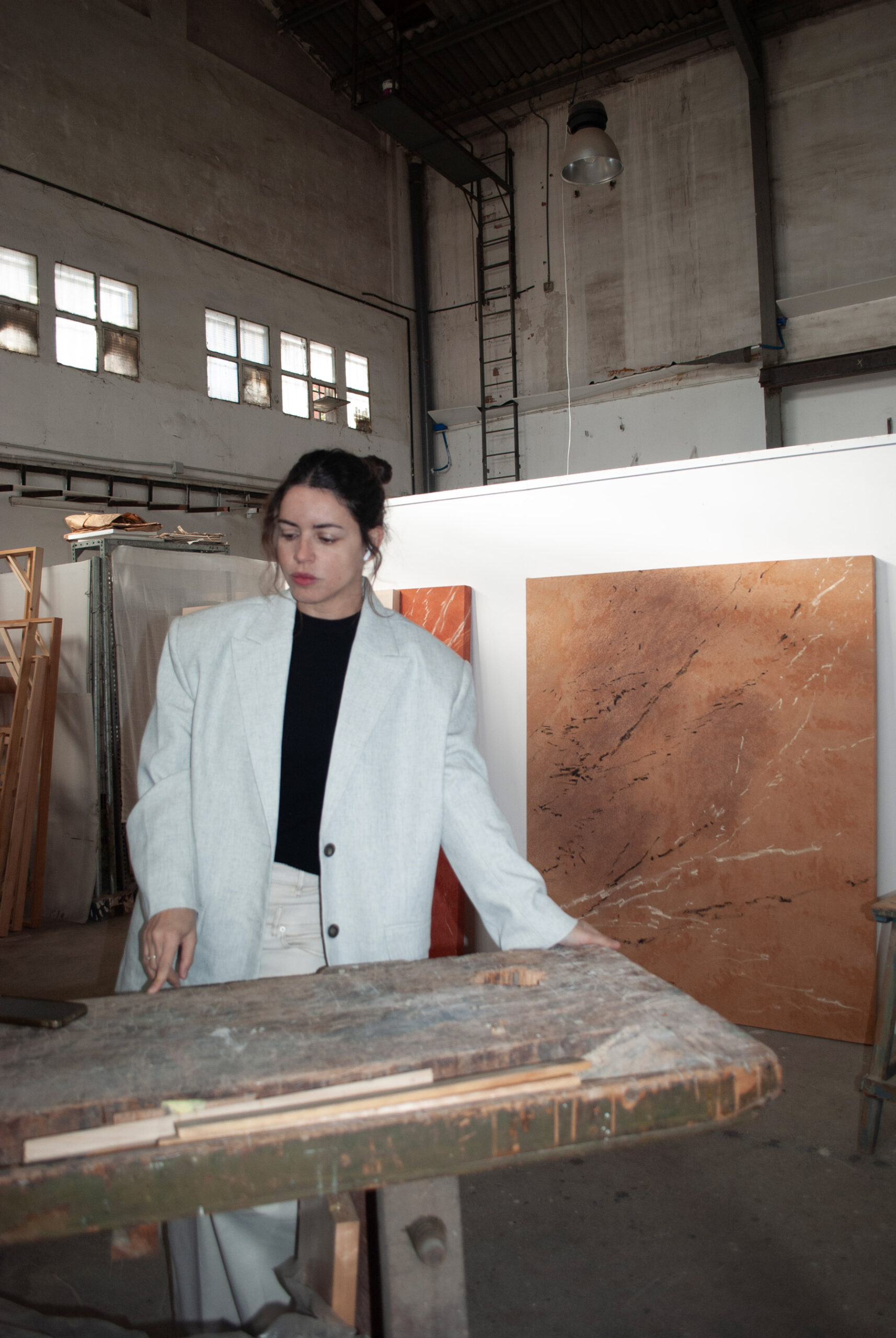
Argentinian artist Marina Arias (b. 1987) creates abstract artworks that move between painting and drawing. Growing up in Salta, at the foot of the Andes, Arias developed a close connection to the raw landscapes of the Puna de Atacama – a vast high plateau at an altitude of over 4,500 meters. The raw beauty of this landscape is deeply rooted in Arias’ visual language and continues to inform her practice to this day. At first glance, the surfaces of her works appear calm and restrained, but beneath them vibrates an elemental energy waiting to be discovered.
In this interview, I speak to Marina about her path from design to art, the profound influence of the landscapes of her childhood, and the evolution of her abstract visual language. We also talk about her intuitive process, the role of silence in her practice, and what she hopes viewers rediscover within themselves when encountering her art.
Marina, thank you so much for your time! You have a background in interior and furniture design – please tell us, how did you get into art, and when did you know you wanted to become an artist?
Today, I feel that artistic exploration has always been with me. Over time, I understood that expressing myself through art became a dialogue between emotion and matter.
From a very early age, I grew up in a creative environment at home, which encouraged my artistic exploration. Later, I enjoyed my studies in interior and furniture design at the National University. That discipline shaped the way I perceive space, proportion, and the relationship between form and atmosphere.
While attending university, I continued painting, and I never separated myself from art.
How would you describe your work to someone who has never seen it before?
My practice explores geology through abstraction. It is shaped by a deep interest in tectonic processes, salt crusts, and igneous matter. These elements do not appear as literal images, but as internal dynamics that permeate the work.
It is also deeply shaped by the place where I grew up: the north of Argentina, at the foot of the Andes, near the vastness and aridity of the Puna de Atacama, at 4,500 meters above sea level. I think of this landscape as a territory of introspection, where silence, expansiveness, and rawness reveal what is fundamental.
The work unfolds as a journey through forms and textures that do not seek to represent a landscape but to embody its energy. The palette emerges from this same environment: the blues of the water mirrors, the earthy and reddish tones of the mountains, the dark presence of volcanic rocks, and the neutral hues of arid soils and white salt crusts, embodying the mineral essence of the territory.
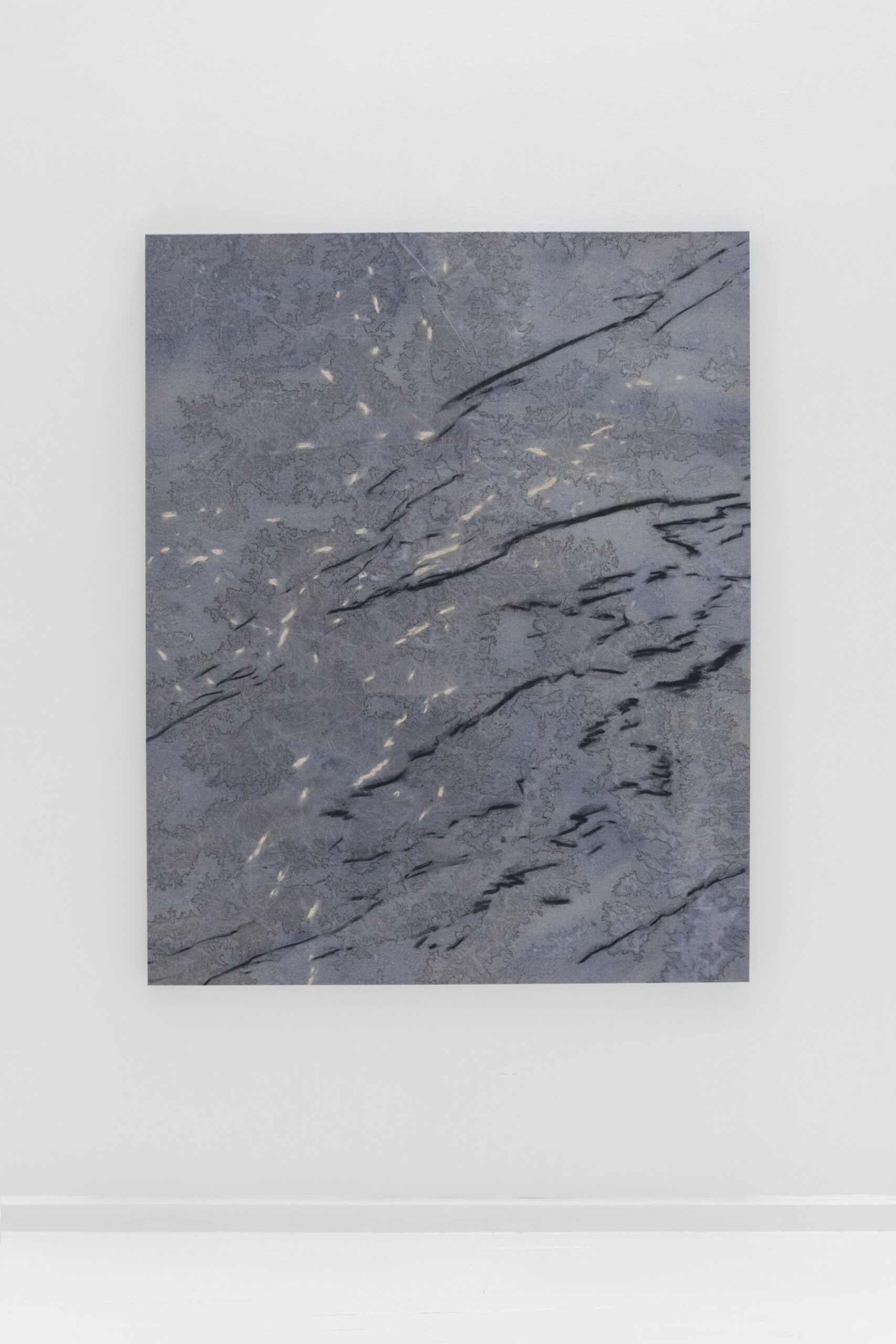
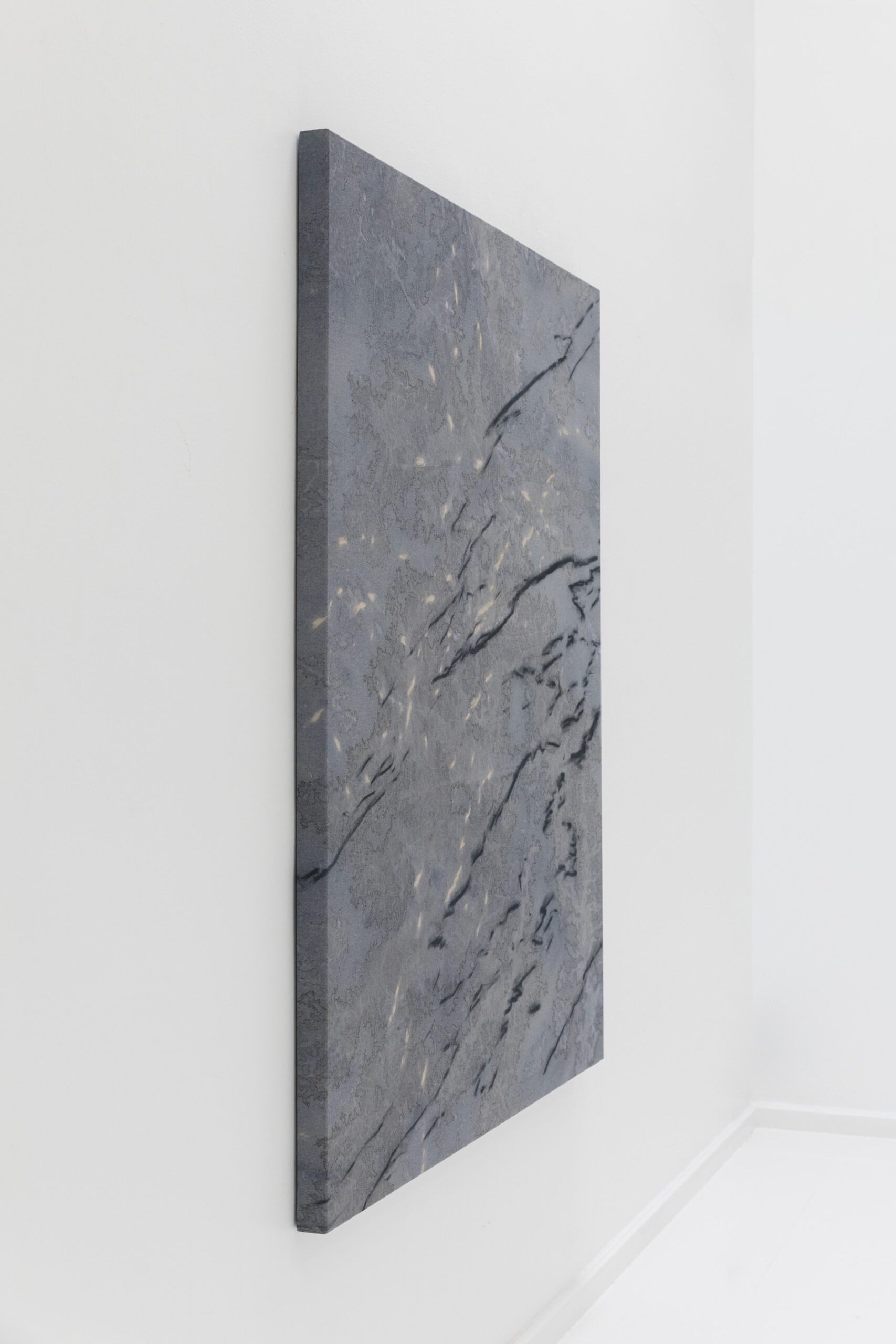
What does it mean to you to engage in a dialogue with the landscape of your childhood – the Puna de Atacama?
At a certain point, I perceive it as a return to what feels essential. In its aridity and austerity, forms, light, and silence become more visible. I am drawn to that sense of reduction and intensity, and it is in this encounter with its rawness that I find a way of working with presence and gesture.
I also think about how our perception of the places that were once part of our lives changes once we are no longer there, and how this kind of nostalgia becomes, in part, a dialogue with myself when I create.
How has your visual language developed over the past few years? Has it always been abstract? And how did your move from Argentina to Barcelona a few years ago influence your artistic practice?
Although I began exploring figurative painting, my work gradually shifted, and abstraction emerged as a formal necessity — a way of working with energy, tension, and matter. Over time, lines and marks became central to my practice, functioning as gestures.
I think this shift coincided, almost by chance, with a trip in which we crossed the Atacama Desert toward the beaches in northern Chile. During that journey, we took the wrong road and spent a few minutes in a landscape of very pale, almost white ground scattered with countless circular dark volcanic rocks. They seemed to float between the blue sky and the light surface of the earth. When I think about that memory, I feel as if I had entered a completely abstract territory.
Regarding my move to Barcelona, I initially came to develop a series of paintings. I have always been deeply attracted to this beautiful city. After completing the project, I decided to stay and relocate my studio here. In the city, I have had the opportunity to encounter the work of artists I deeply admire and to engage in dialogue with them. This exchange has had a significant impact on my practice.
Expressing myself through art became a dialogue between emotion and matter.
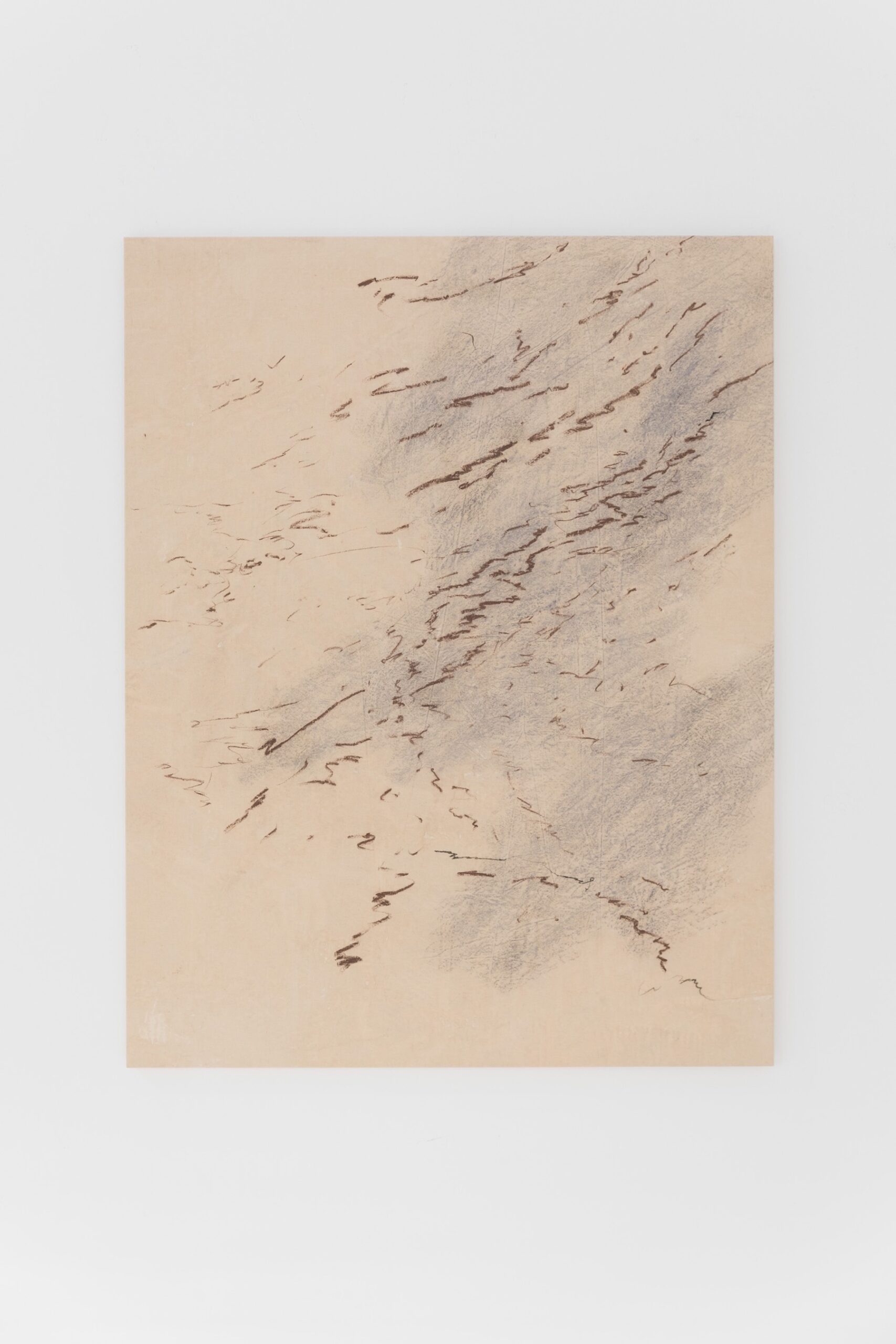
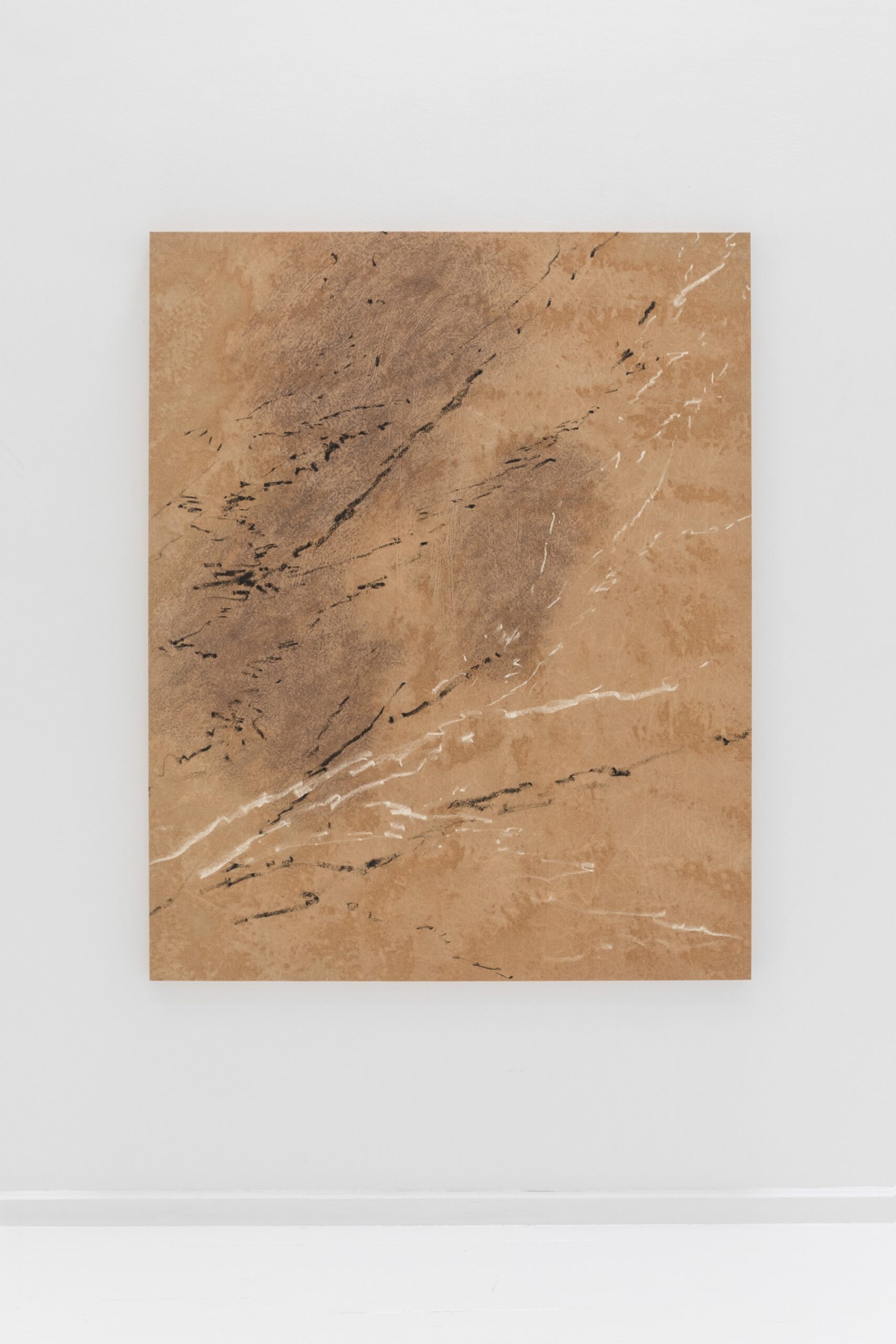
Please tell us about your process: How does a new artwork begin for you – with a memory, an emotion, a color, or something else? How does your own inner state change while you are working on a new piece?
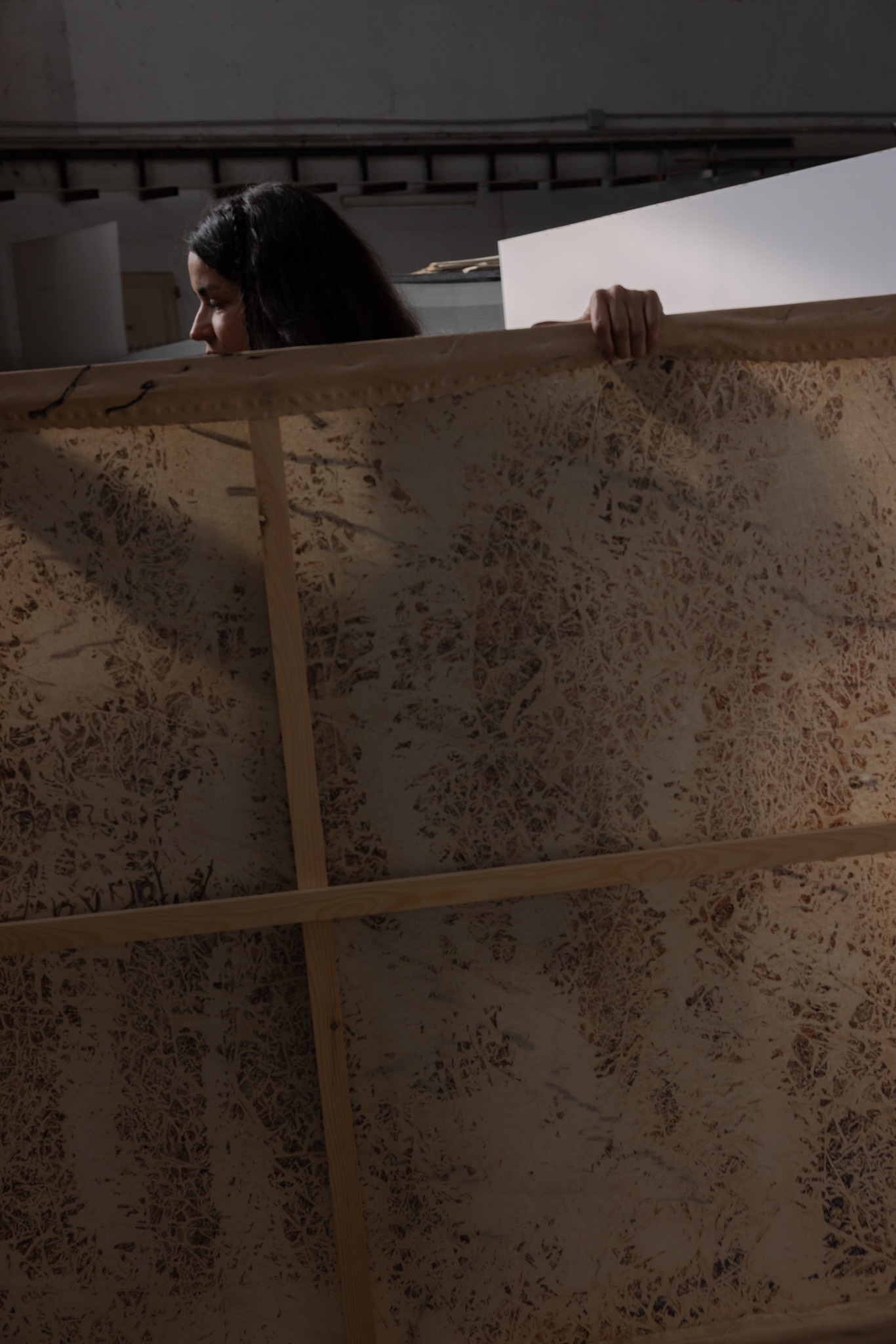
My days unfold between small line sketches on paper that precede the large-scale works. These drawings often happen at different moments throughout the day, usually when I am in a state of calm.
Lately, in the afternoons, I sometimes go for a walk along the beach at sunset, carrying my sketchbook with me, or spend quiet nights at home or at the café across the street. That repeated gesture, almost rhythmic, has become a practice of concentration and openness.
In that silence, the line finds its pulse without pretense, and movement becomes a form of breathing, a guide toward a state of discovery.
You mentioned how silence and rhythm weave into your drawing process. Could you tell us more about the role of silence and mindfulness in your creative practice?
I consider silence and attention to be an important part of my practice. It is not simply the absence of sound but a state of deep listening. In that space, I can perceive subtle variations in gesture, pressure, and rhythm and make decisions from a more attuned sensitivity.
I believe this state of awareness is connected both to the material process and to my emotional state. It allows me to engage with my emotions and with what moves through my experience while working.
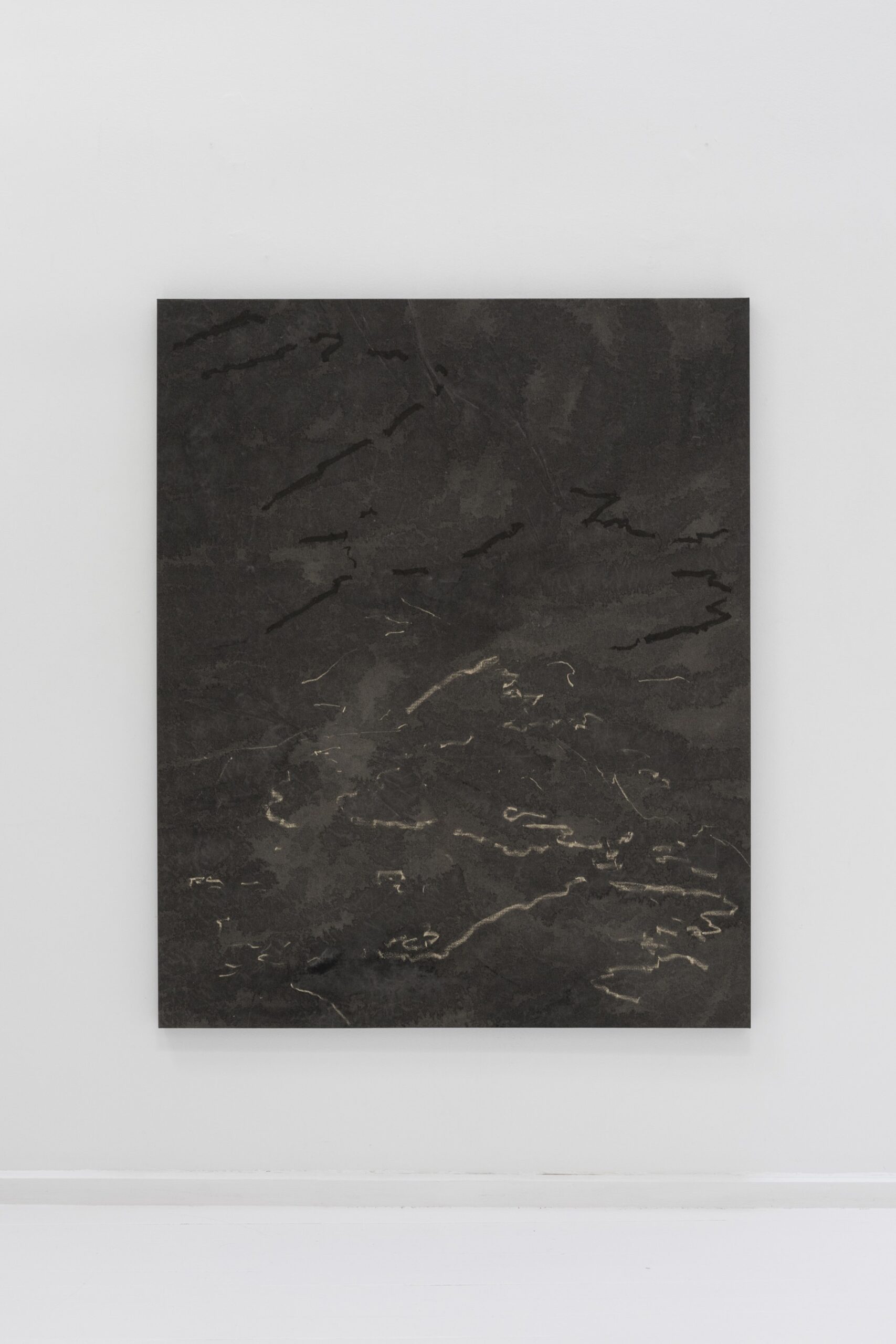
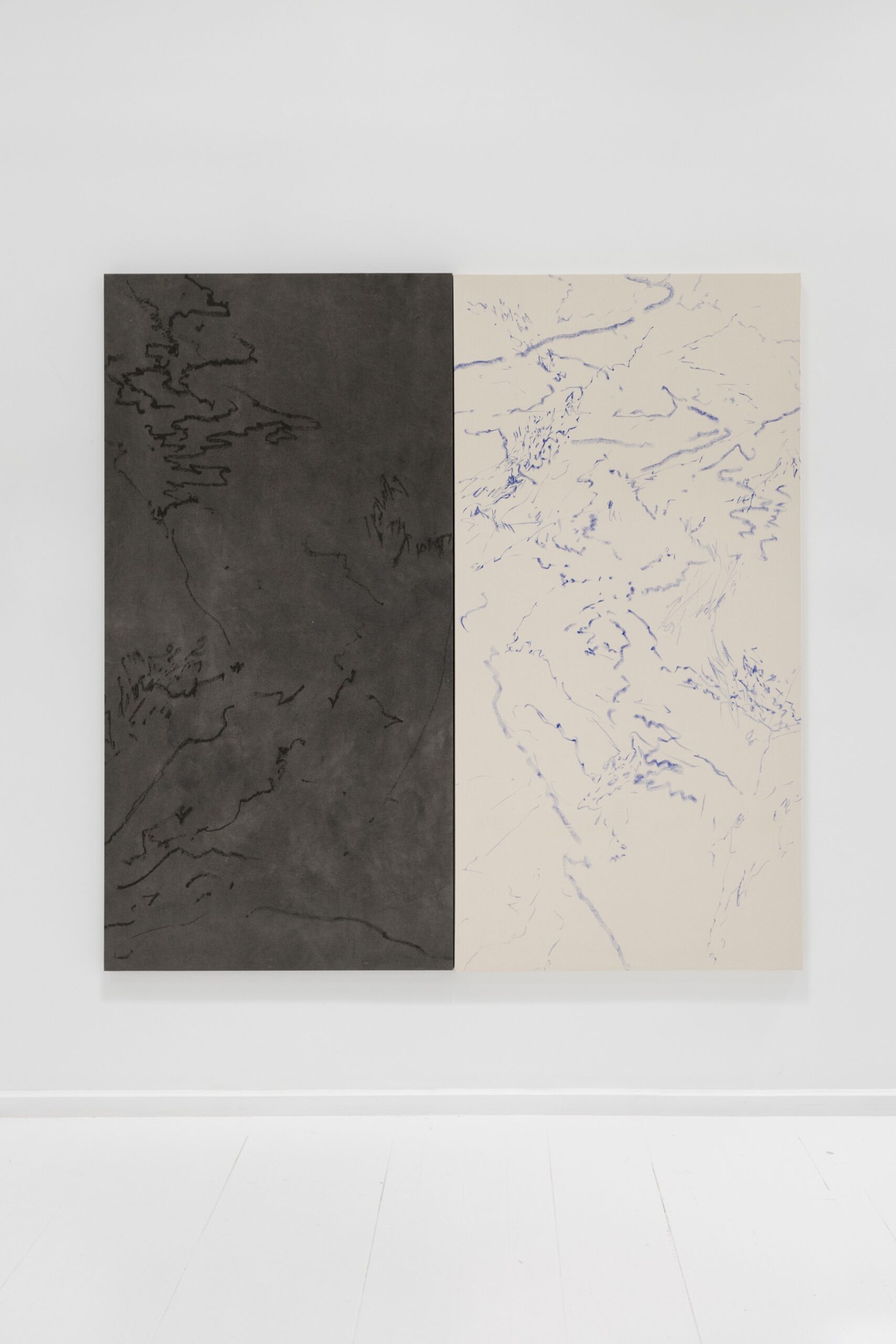
Your approach is intuitive, but you emphasize that every line and shadow has a purpose. Can you describe the moment when an intuitive gesture becomes a conscious artistic decision?
I think that while I am working, I let myself be guided by the gesture and almost become an instrument of the act of creation itself. There is a moment of surrender in which intuition leads the way.
But when I step back, I assume the perspective of the viewer, someone who looks for the same connection that guided the process. For me, it is about finding that meeting point between both perspectives: the one that executes and the one that contemplates. It is in that distance that intuition becomes structure, and the gesture becomes a decision.
Your works invite people to feel. What do you hope people will discover within themselves when they encounter your art?
The works are an invitation to a space where viewers can reconnect with their inner strength and with what resonates within them. This experience may generate a moment that allows them to recognize the subtle forces that shape their emotional landscape, just as natural forces shape the earth. I also think of them as a journey, an invitation to reflect on the delicate balance of the earth we live on.
While I am working, I let myself be guided by the gesture and almost become an instrument of the act of creation itself.
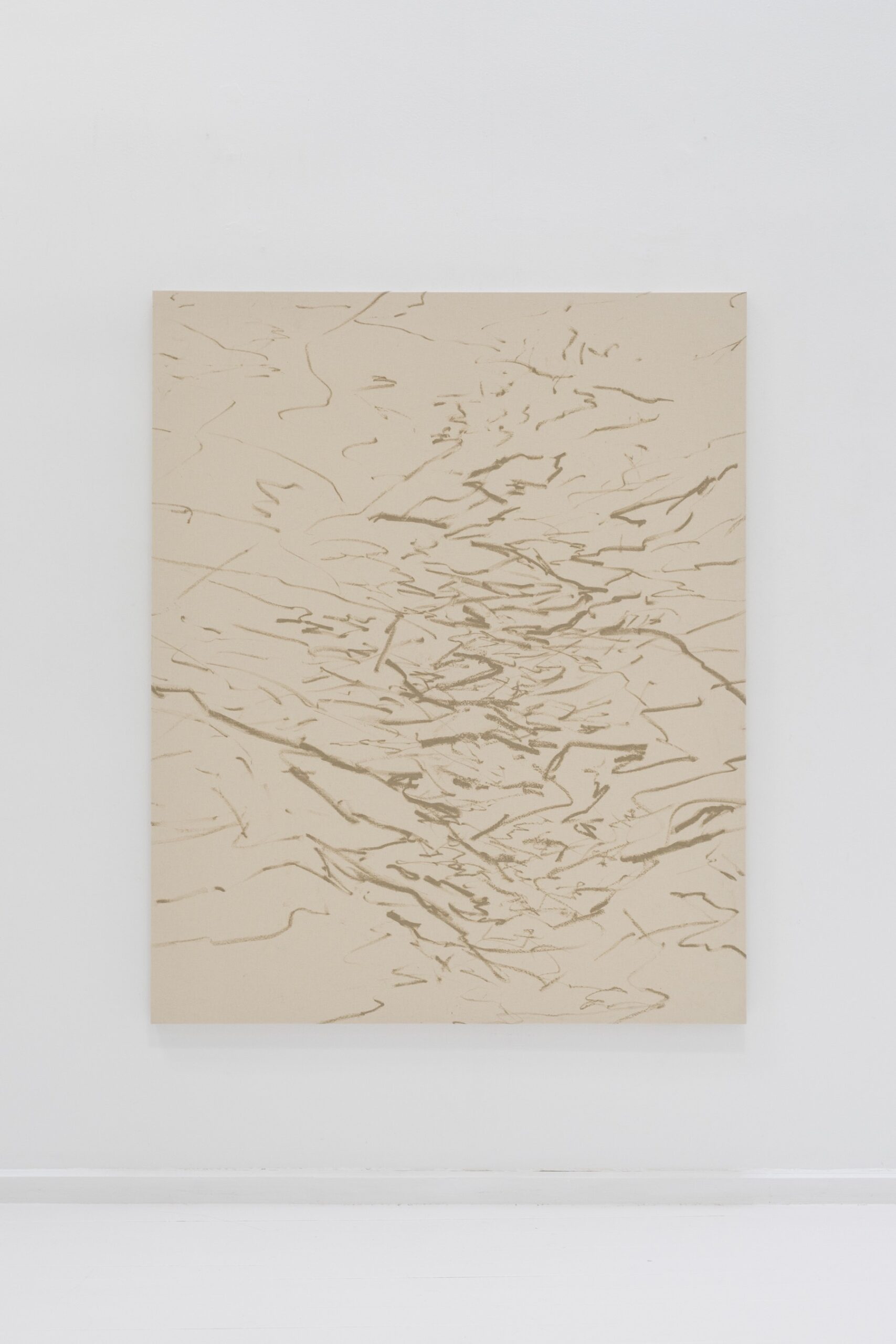
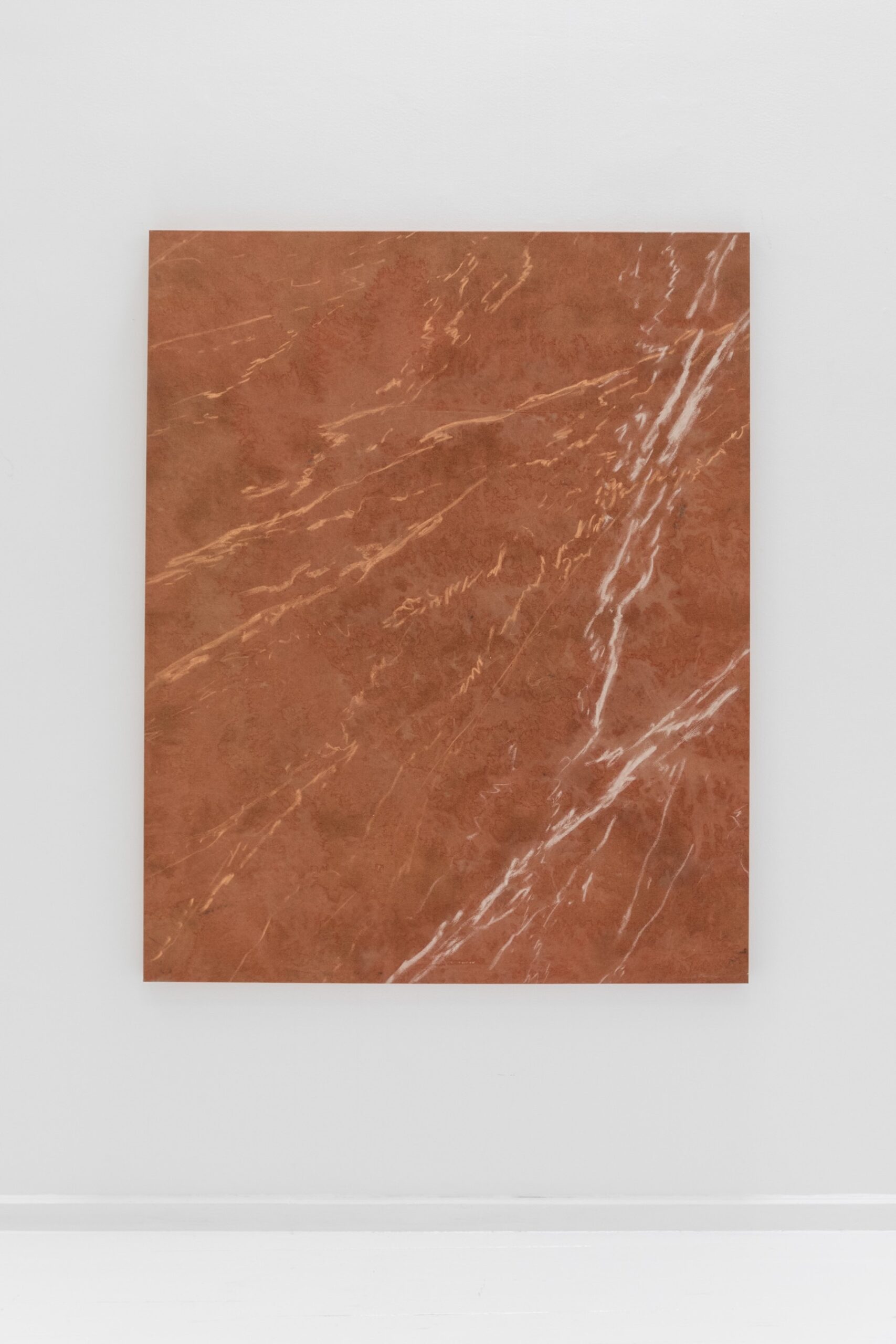
And finally: What are you currently working on, and what are your plans for the future? Are there any topics, materials, or colors you would like to explore further?
I am planning to spend a few weeks this summer in a studio in the north of Argentina. It is a space surrounded by nature, with a beautiful view of the Andes mountains. I spent a few weeks painting there last summer and experienced a moment of inspiration and tranquility.
This space is very special to me because it is a project my father and I designed together. He has been building it slowly over the years, using some traditional construction techniques. Being there has a very special meaning for me. It feels like a warm embrace.