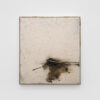
Australian artist Tara McIntosh (b. 1999) explores material as a carrier of memory. The surfaces of her paintings preserve traces of what has happened to them – revealing that something was there, altered, or removed.
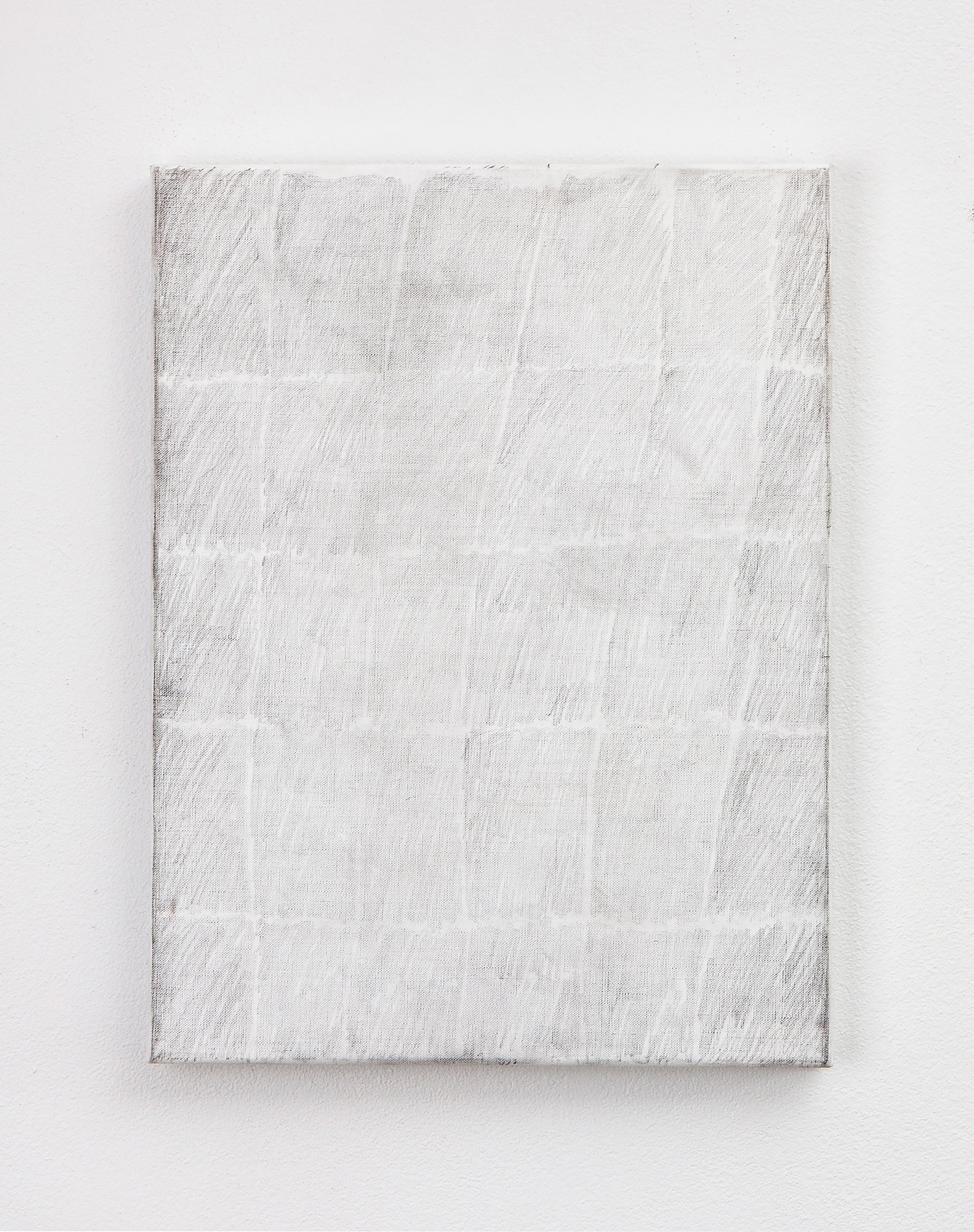
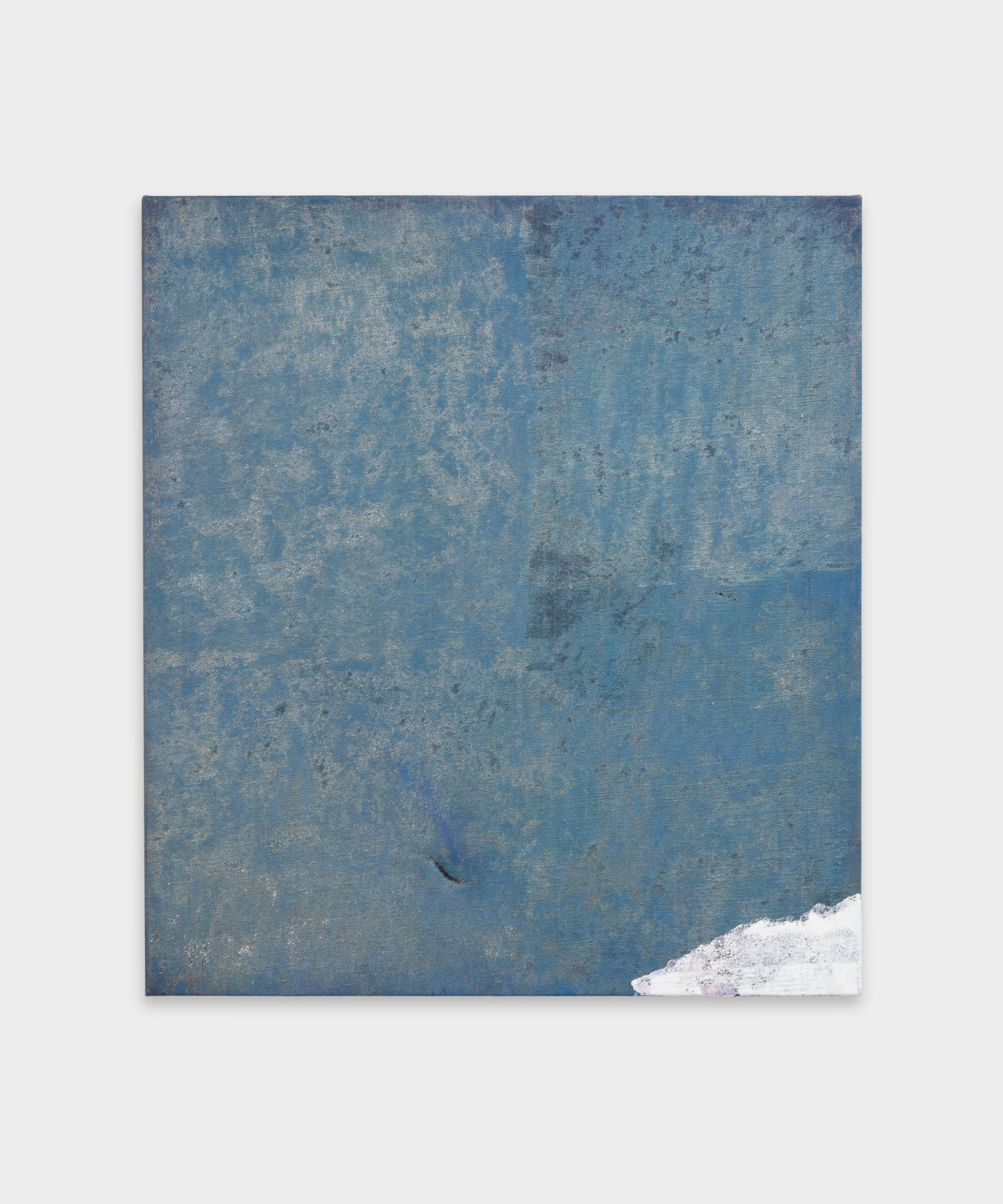
The color palette of her abstract works is muted and restrained. Fine lines run across some surfaces, forming irregular grids or breaking off abruptly. Sometimes the color is concentrated at the edges, leaving the center almost empty. It takes a moment for the eye to perceive these subtle differences. Other works appear denser, with clear traces of the artist’s process. At first glance, the understated appearance gives little hint of just how physical McIntosh’s working process is. Using angle grinders and Dremel tools, she removes layers of paint, leaving earlier interventions visible even where very little color remains. Materials are reused and become the foundation for new works.
Describing McIntosh’s paintings as reductive therefore primarily only captures their initial, formal impression. Rather than telling a story through her work, the young artist seeks to leave space for viewers’ own memories and emotions. To learn more about her artistic journey and creative process, I had the pleasure of asking Tara McIntosh three questions:
Tara, what inspired you to become an artist, and how has your artistic expression evolved since then?
I grew up in a small regional town on the Mid North Coast of Australia, in a home my parents built just a stone’s throw from the ocean. Some of my earliest memories are of painting the sea, the changing light, the movement of the water, the breeze and the sound of the waves. I think those things became embedded in me before I even realised it.
My grandfather was a draftsman and a beautiful drawer, and we used to draw together when I was young. I still have some of his work and consider them among the most special things I own. He really encouraged me to draw and paint, and made art feel like a natural part of everyday life.
At high school, I was incredibly fortunate to have a wonderful art teacher, Mr Beddoe, who introduced me to contemporary art and encouraged me to apply to the National Art School in Sydney. Coming from a small regional town, art school wasn’t something I had ever imagined for myself. I had actually been offered a place to study radiology, but I chose art school instead and I’ve never regretted it.
Moving to Sydney and studying at National Art School (NAS) opened up a whole new way of thinking about art. I discovered artists who showed me that painting could hold feeling, memory and experience without needing to describe something literally.
In many ways, I think my work has evolved without moving too far from where it began. The ocean still finds its way into my paintings, often quite subconsciously. I sand and remove layers, and the physical process has a rhythm that reminds me of the way the ocean constantly shapes and reshapes things. But since moving to Sydney, my work has become more introspective. It’s less about the wide-open spaces of the coast and more about how a place feels, what we carry with us, and how memory can emerge through gesture and material.
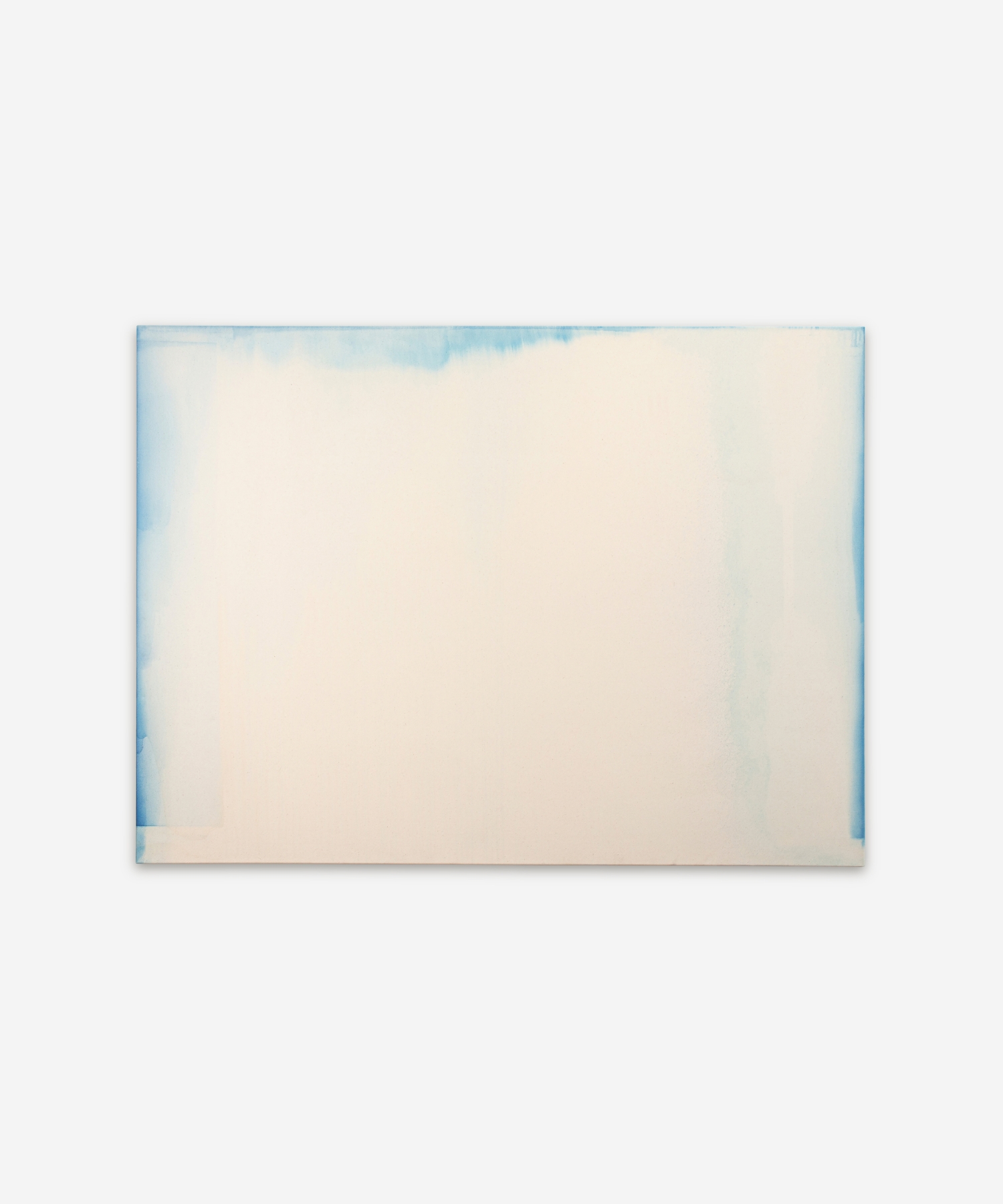
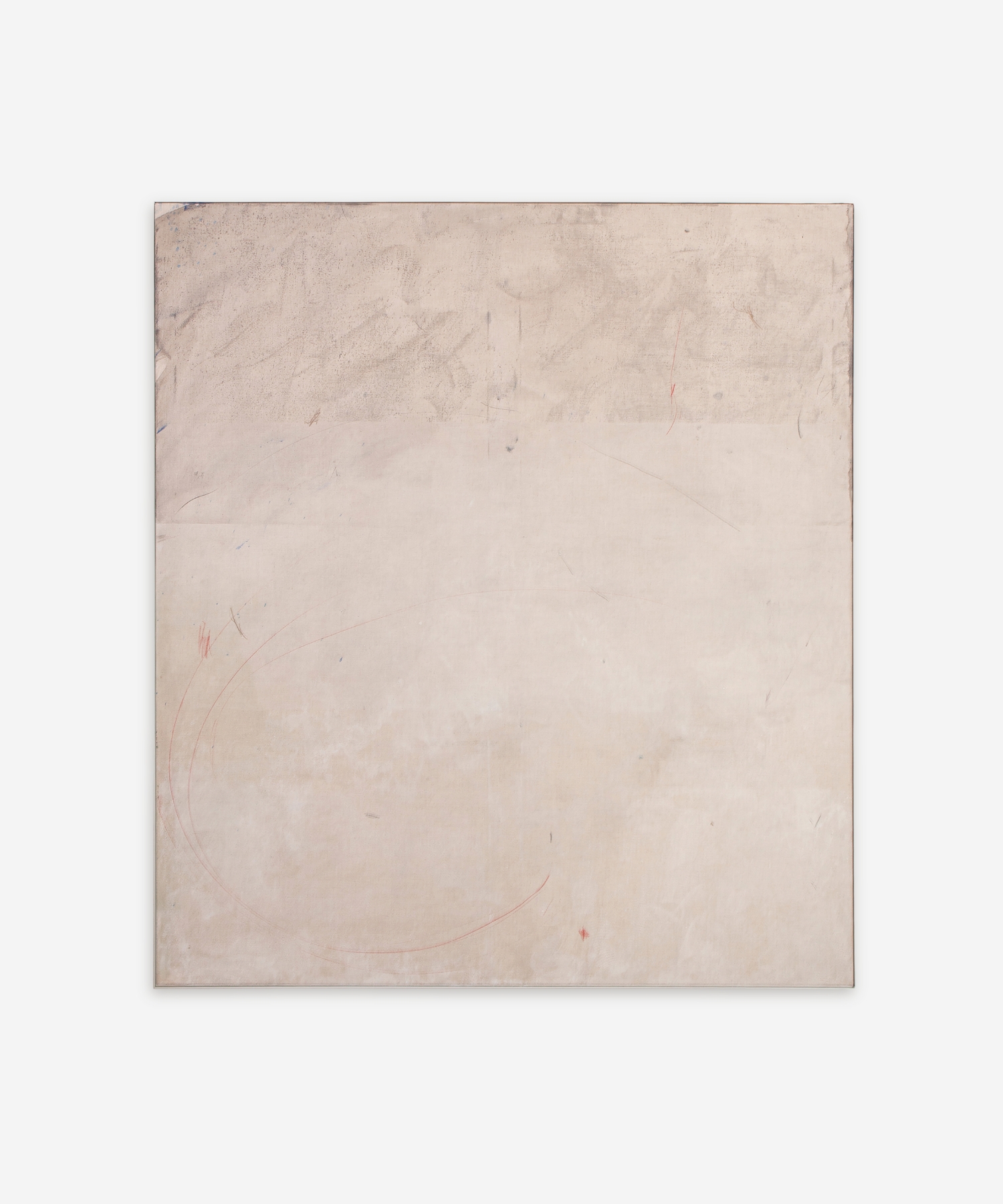
How would you describe your work to someone who has never seen it, and what do you hope viewers take away from it?
My paintings are very material-driven. They aren’t really pictorial paintings, although sometimes pictorial elements can worm their way in. The process is quite physical and, I suppose, a little unorthodox. I’ll often use angle grinders and Dremels to shave away layers of paint, introducing a sense of destruction, erosion and unintendedness into the work. I like being able to directly remove things from a painting, gradually reducing its components until I reach a point where each mark feels like it has a reason to be there.
I think that’s why the paintings can appear quite minimal, although I don’t necessarily see them that way. There are often so many subtle marks beneath the surface, layers that have been added, removed and reworked time and time again. That history is an important part of the work for me.
The spaces within the paintings are also really important. I’m drawn to the void, and to those moments where you can’t quite name or explain what you’re looking at. I don’t necessarily want the paintings to tell you a story or give you a particular answer. I like the idea that they can be experienced quite intuitively, and that people can bring their own memories and feelings to them.
It’s always interesting seeing the paintings in people’s homes. Oddly, I often find the more minimal works end up in quite cluttered rooms. They can become the quietest space in the house, which in a way makes them quite loud in their own way. I think we sometimes forget how important it is to have a space to breathe and pause. That’s often what I’m trying to create when I’m painting, a space for someone to hold.
I suppose what I hope for is that someone might spend a little more time with the paintings than they initially expected to. Maybe they notice a subtle shift in the surface, a mark, a space, or a feeling they can’t quite put their finger on. I’d like the paintings to leave something with you, a feeling, a memory, or simply that lingering sense of having spent some time looking.
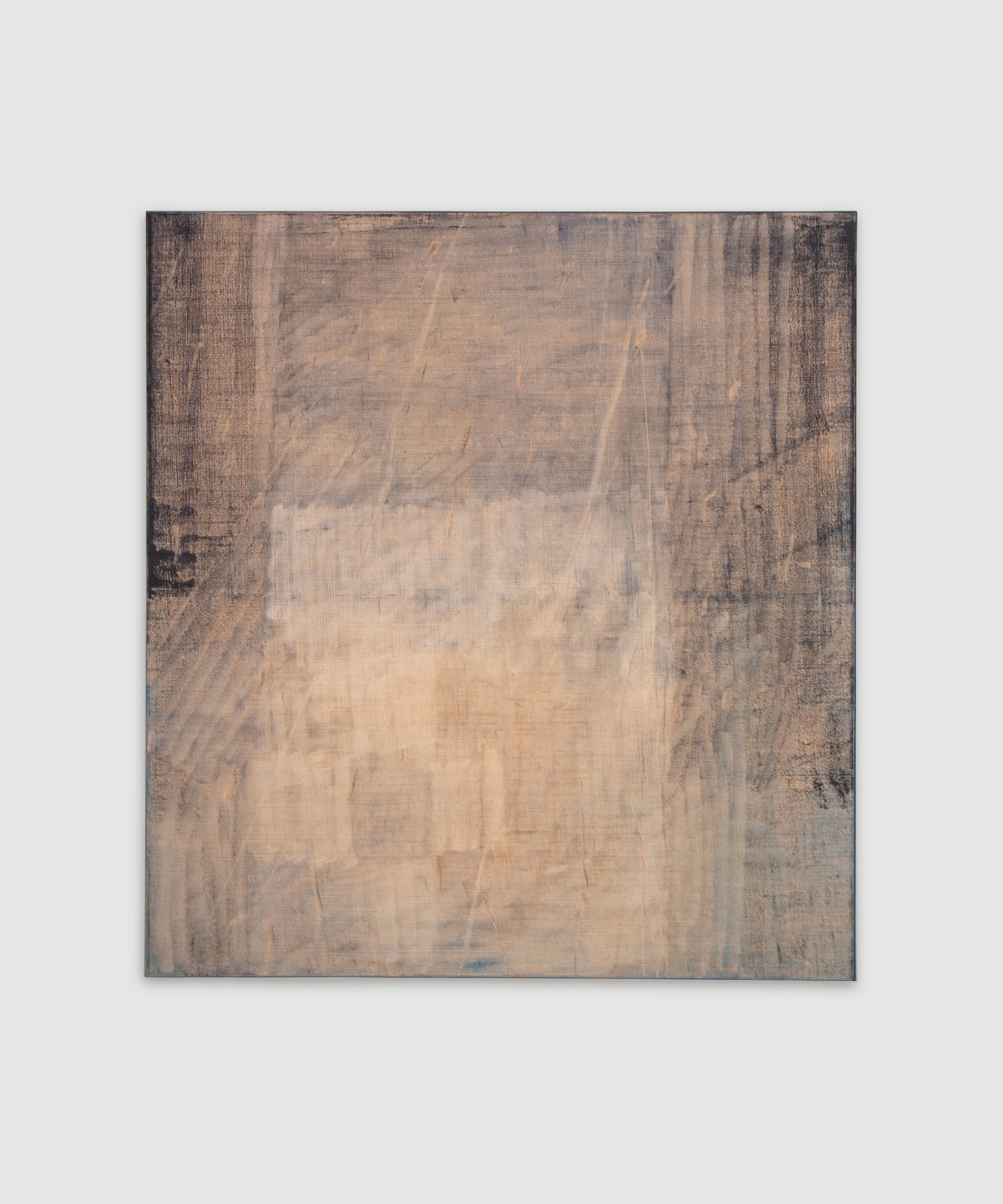
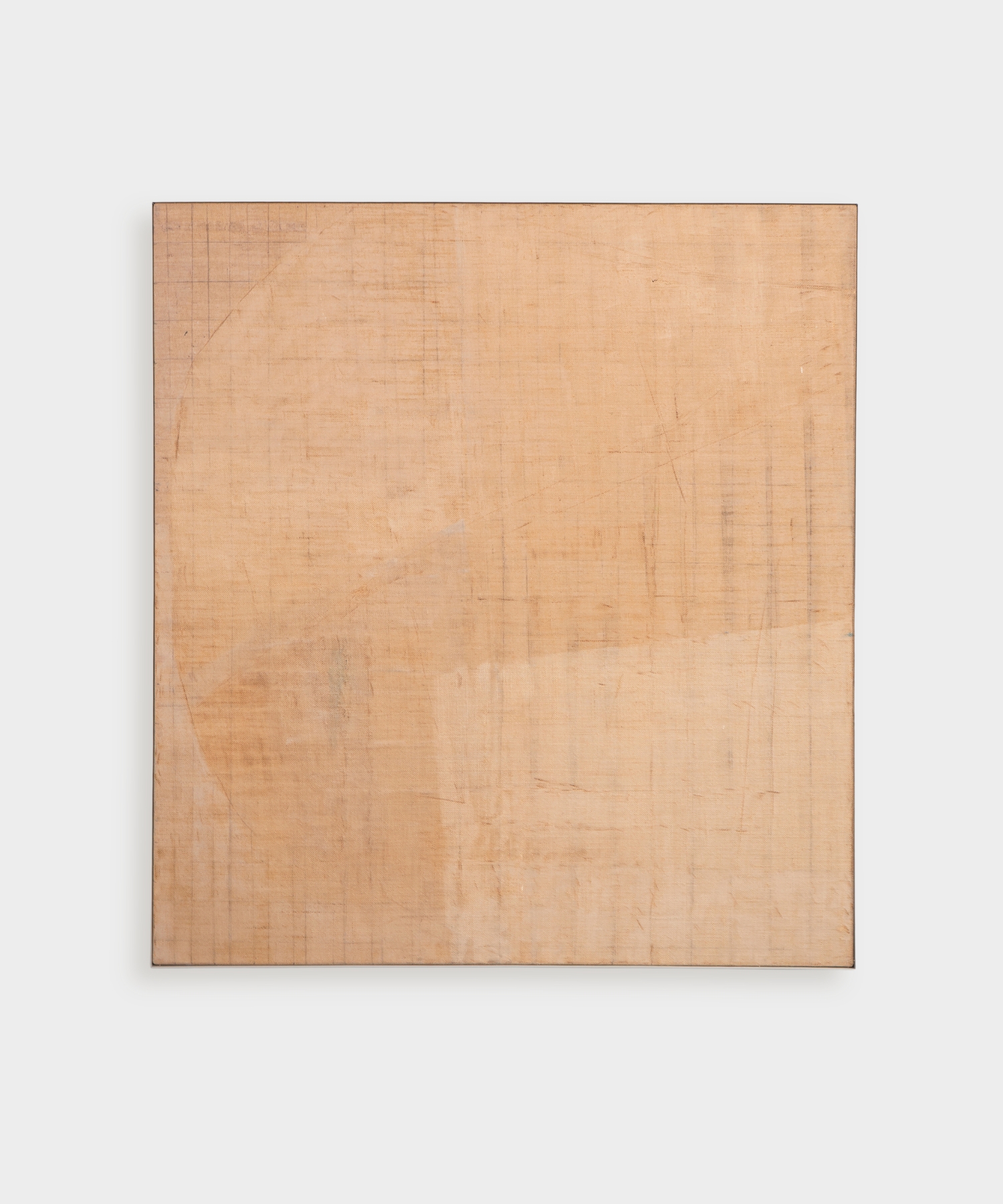
What are you currently working on and what are your plans for the future? Are there any subjects that you would like to explore further?
So many exciting things are happening at the moment. I’m currently on the hunt for a bigger studio because I have an exhibition coming up where I’m planning to make some monumental-sized paintings, which is really exciting. I’m also looking to start a new body of work for another solo exhibition with Liverpool Street Gallery, so there’s a lot happening in the studio.
I actually feel like I’m only just beginning to find this really incredible flow in my practice. I don’t feel like I need to change my approach to making at the moment. I’m still very interested in the same physical processes, materials and ways of working. I think what will change is what I bring into the studio with me. There’s a lot happening in my life at the moment; I’m getting married next year, I’m spending more time with my family, and there are a lot of changes and experiences happening all at once. I think the work will naturally reflect that.
I’m also hoping to spend some extended periods of time at my parents’ home next year and work there in stints. My mum is living with early-onset Alzheimer’s, and I really want to make the most of that time with her. I think being back in that place closer to the ocean, spending time together and being part of everyday life there will naturally find its way into the work. I don’t really know what those paintings will look like yet, and I don’t want to decide that in advance. I’m more interested in being present and allowing the work to respond to whatever that time brings.
I think that’s probably what I’m most interested in exploring going forward, not necessarily new subjects, but how the things happening around me might shift the way I see and make. My process hasn’t really changed, but I think the things I’m carrying into that process are changing. I’m interested to see what emerges from that.