In the latest edition of our interview series, we once again dive into the world of minimalist aesthetics. In inspiring conversations with creative minds from the fields of architecture, design, and art, we explore how they are guided by their vision and how they express it in their works. Along the way, they provide us with interesting insights into their creative process and reveal how they perceive and shape the world. This time, I had the pleasure of having an inspiring conversation with Hideaki Yamanobe.
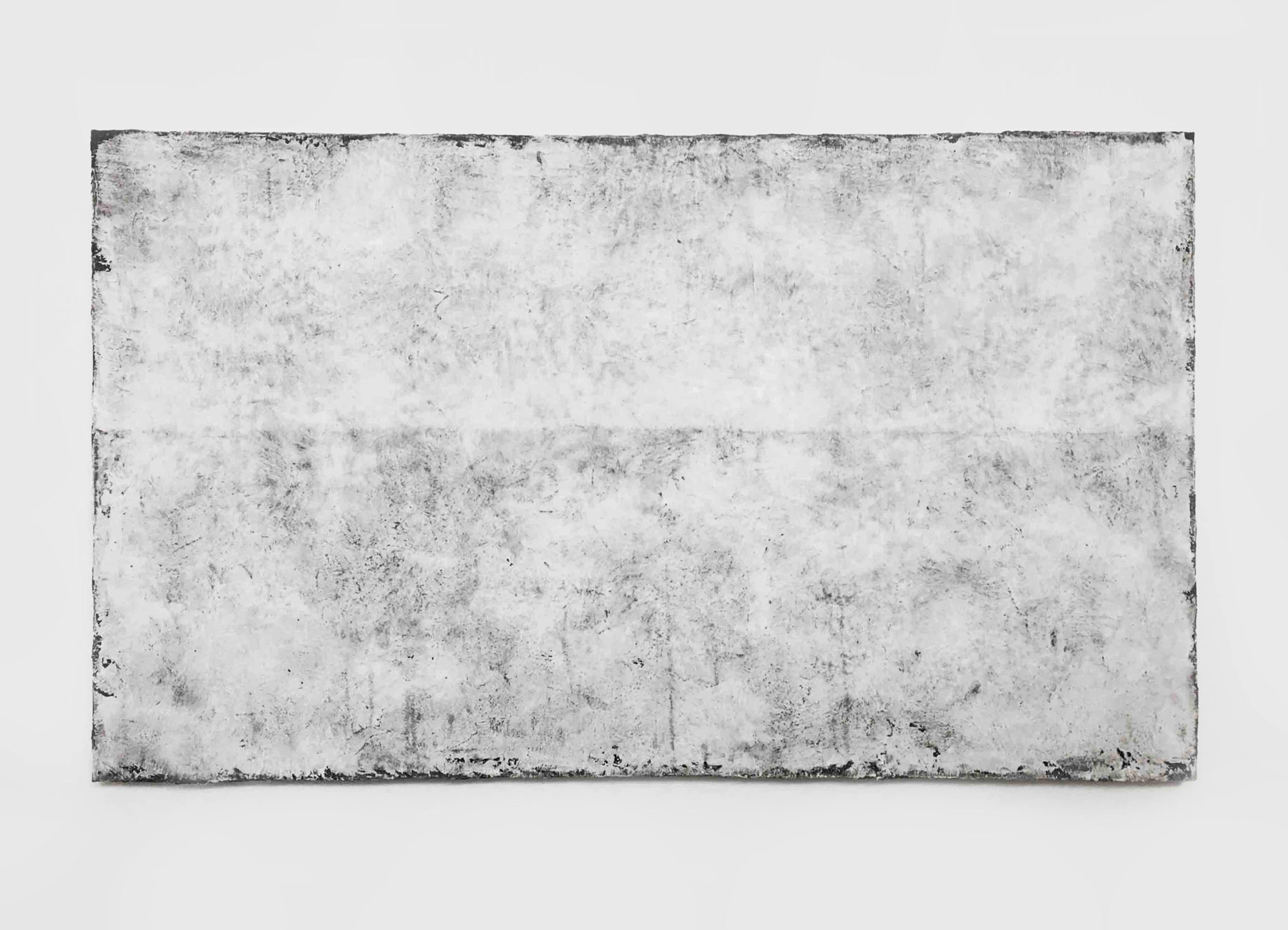
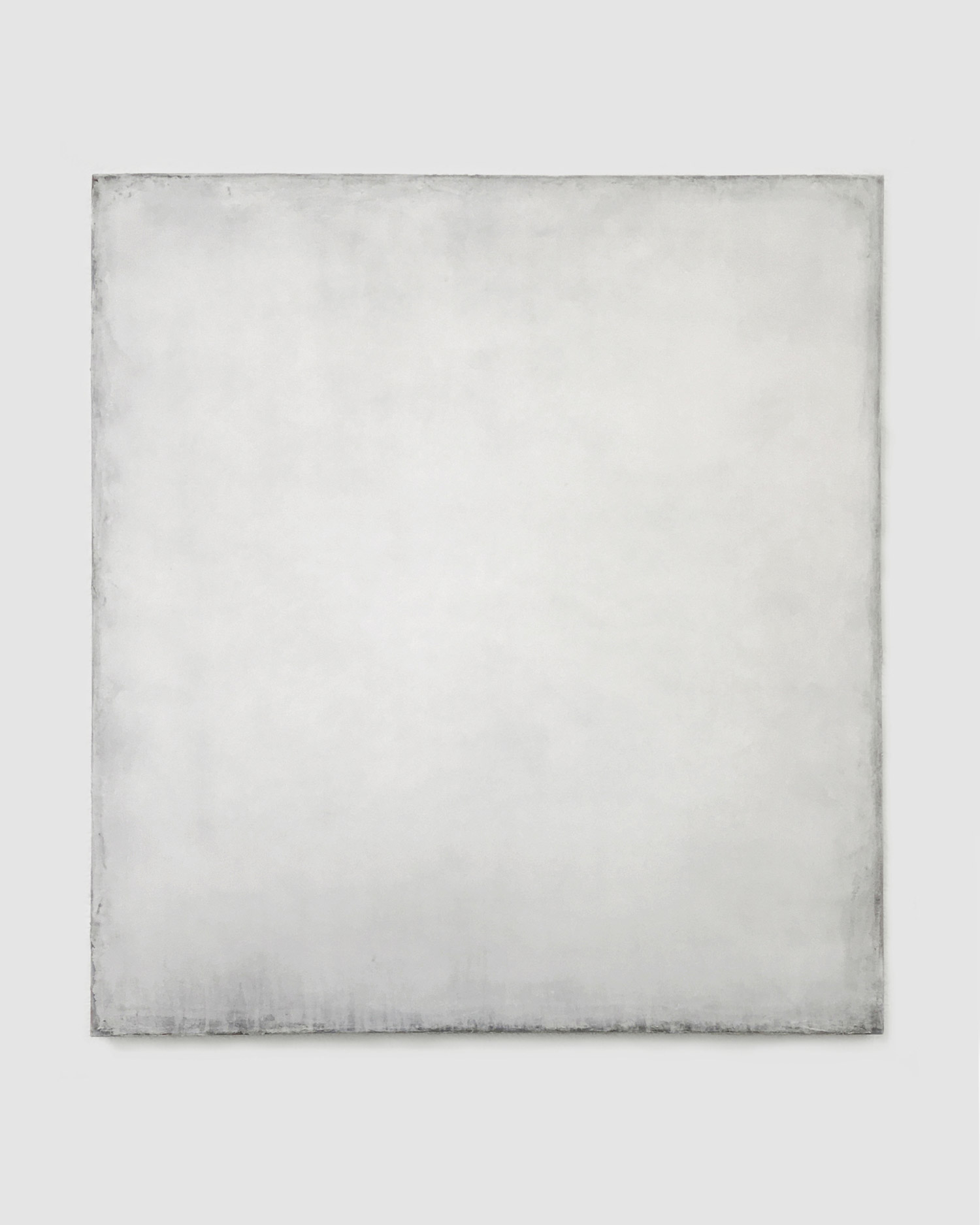
Hideaki Yamanobe (b. 1964) is a Japanese painter whose work combines Western painting traditions such as Abstract Expressionism with Asian influences. Known for his monochrome, meditative paintings, Yamanobe explores depth, perception, and the subtle resonance between material and emptiness. His works invite viewers into a state of stillness, where presence unfolds slowly and attentively.
In this interview, we speak about his early path into art, the fusion of Western and Asian philosophies in his work, and the physical and mental rituals behind his painting process. He reflects on the role of music, the slow encounter between viewer and artwork, and why his paintings remain a refuge for those seeking quiet in an overstimulated visual world.
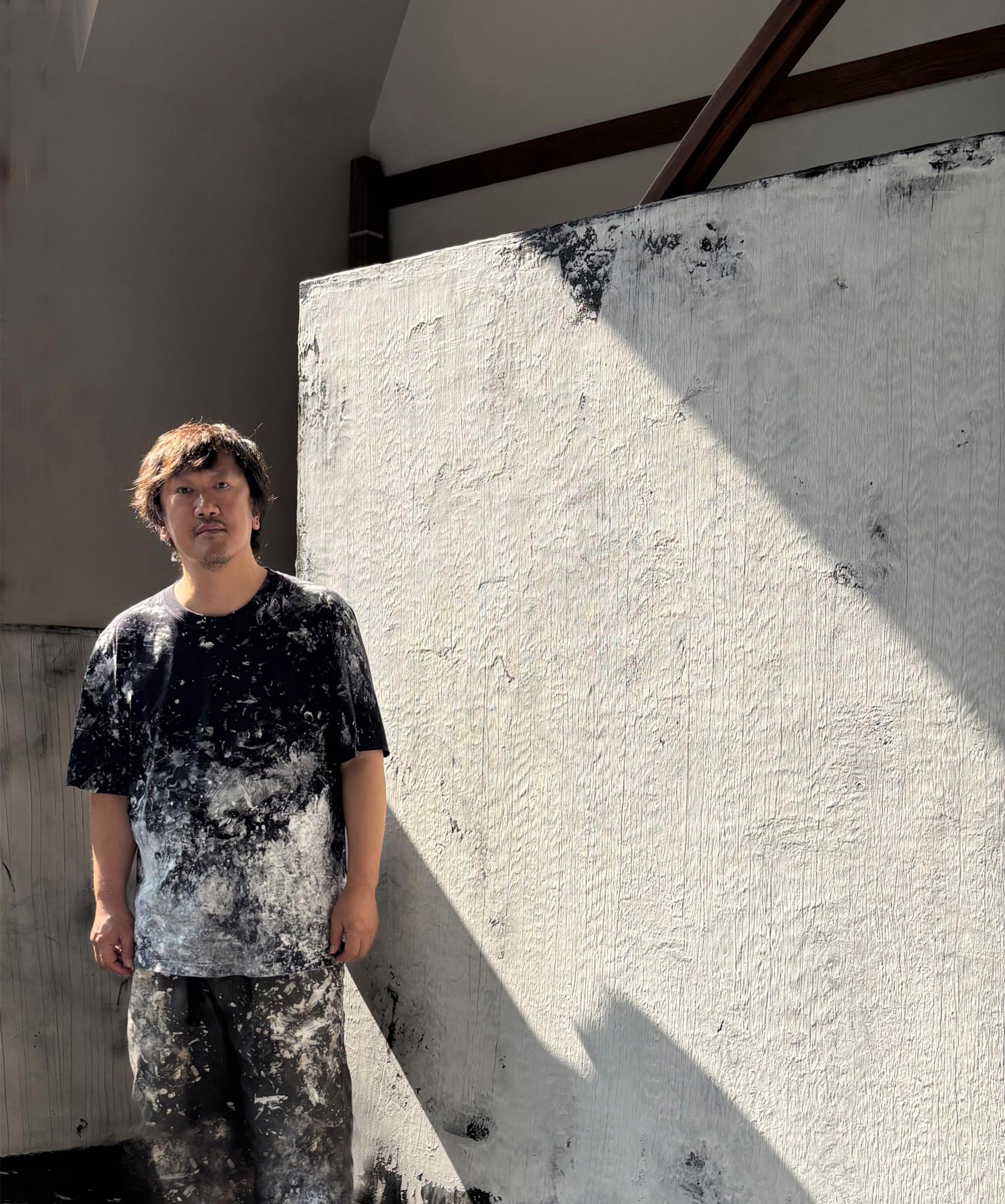
Mr. Yamanobe, thank you very much for your time! Please tell us – how did you get into art? When did you know you wanted to become an artist?
When I was five, I was a strange child who quietly drew death masks during family wakes. When my relatives encouraged me, saying, “This child will become a painter,” I began to believe it myself. Before I knew it, I was in Germany — to paint.
How would you describe your work to someone who has never seen it before?
My paintings are often copied. I could present my work by saying, ‘This looks similar to a painting by Hideaki Yamanobe, doesn’t it?’ If you could identify something in it that cannot be imitated, I would explain to you that this is what makes it my own painting.
When my relatives encouraged me, saying, “This child will become a painter,” I began to believe it myself.
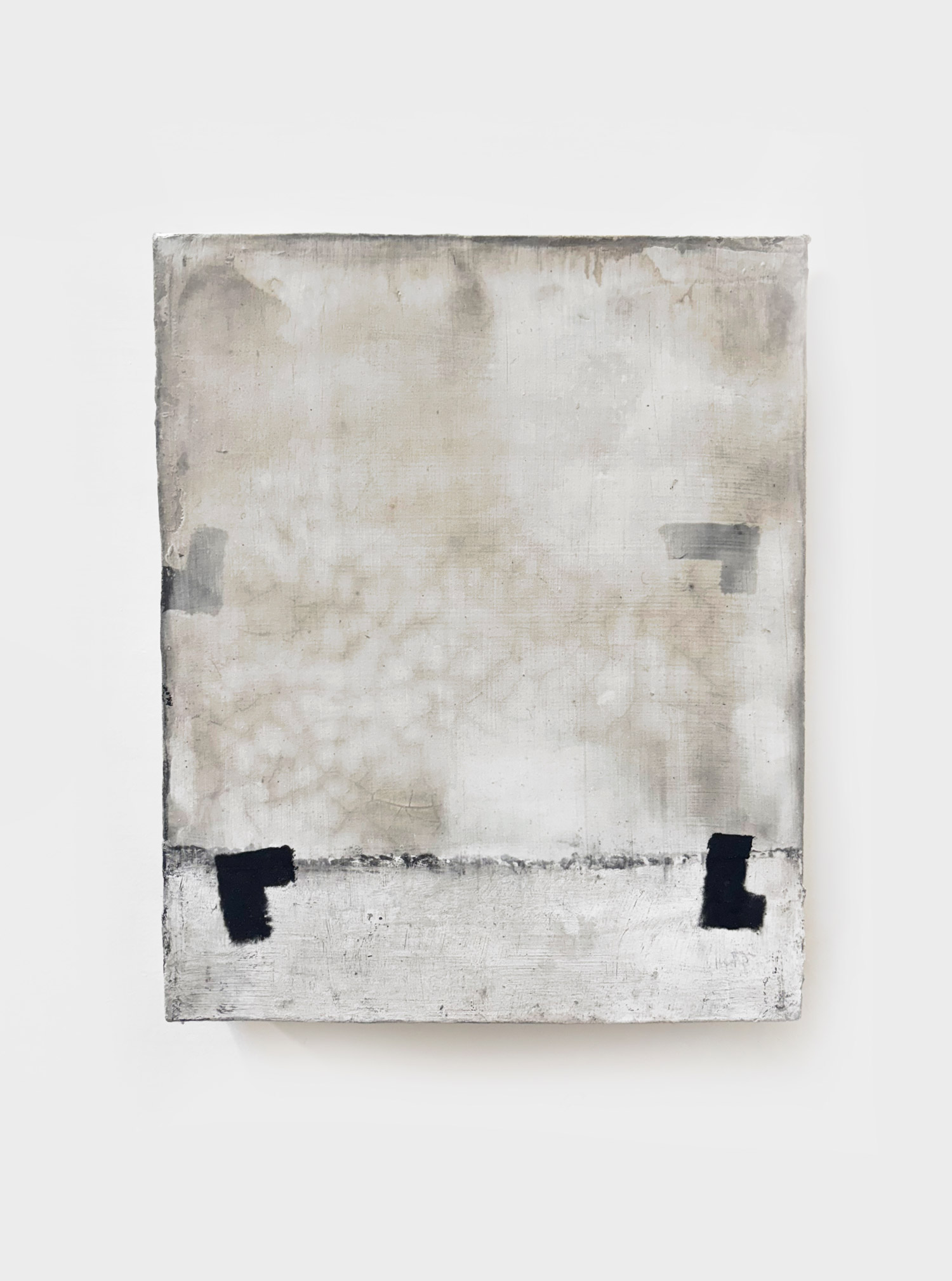
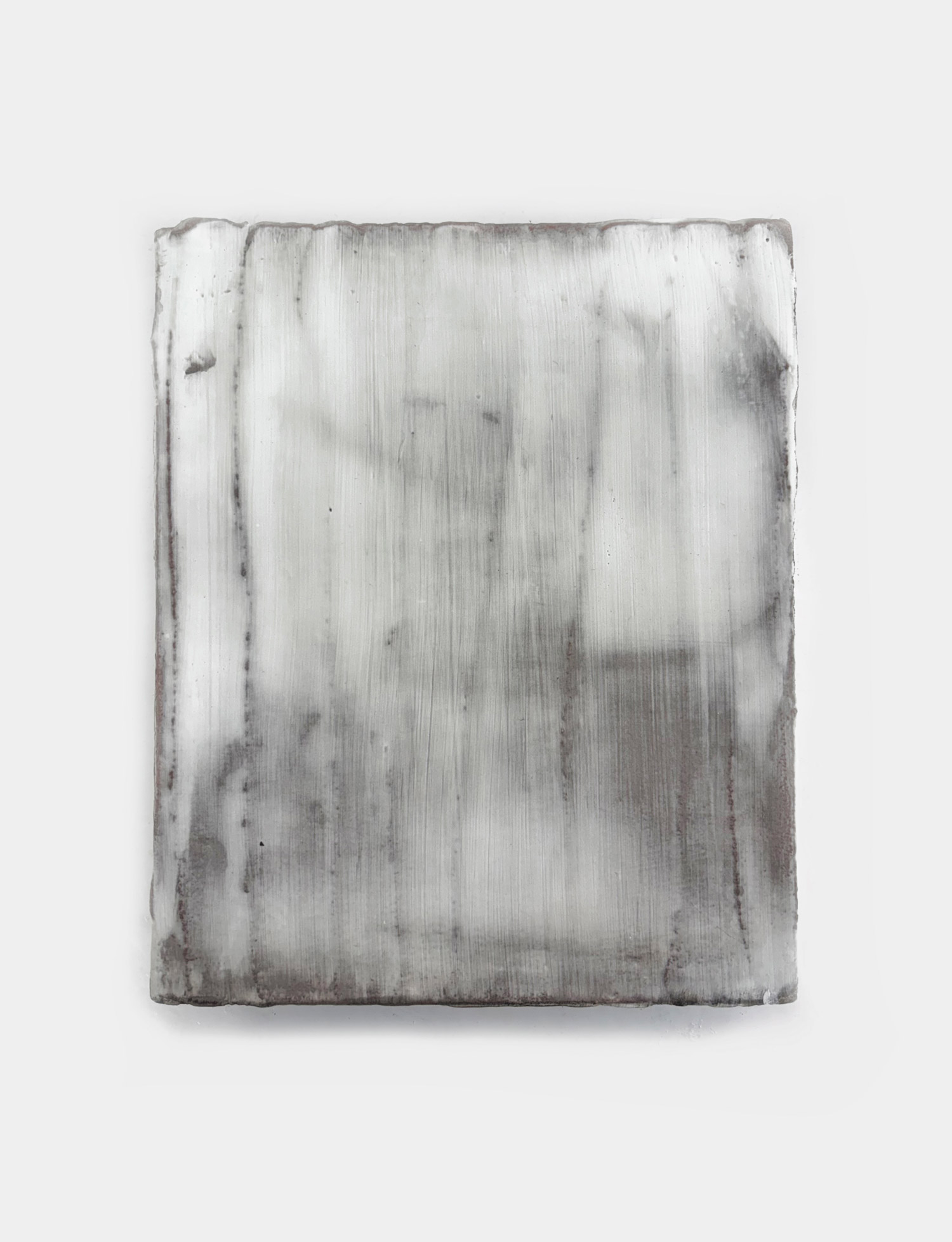
Your artistic style combines a contemporary, abstract visual language with traditions of East Asian landscape painting. What does it mean to you personally to bring these different aesthetic worlds together in your painting?
John Cage’s experience in an anechoic chamber—where he could only hear his own breathing and bodily sounds—represents for me this Western awareness of emptiness. Using this idea, which has something almost biological about it, as a starting point, I continue my work from there.
Please take us into your studio – how do you begin a new work, and what roles do your surroundings and your intuition play in your creative process?
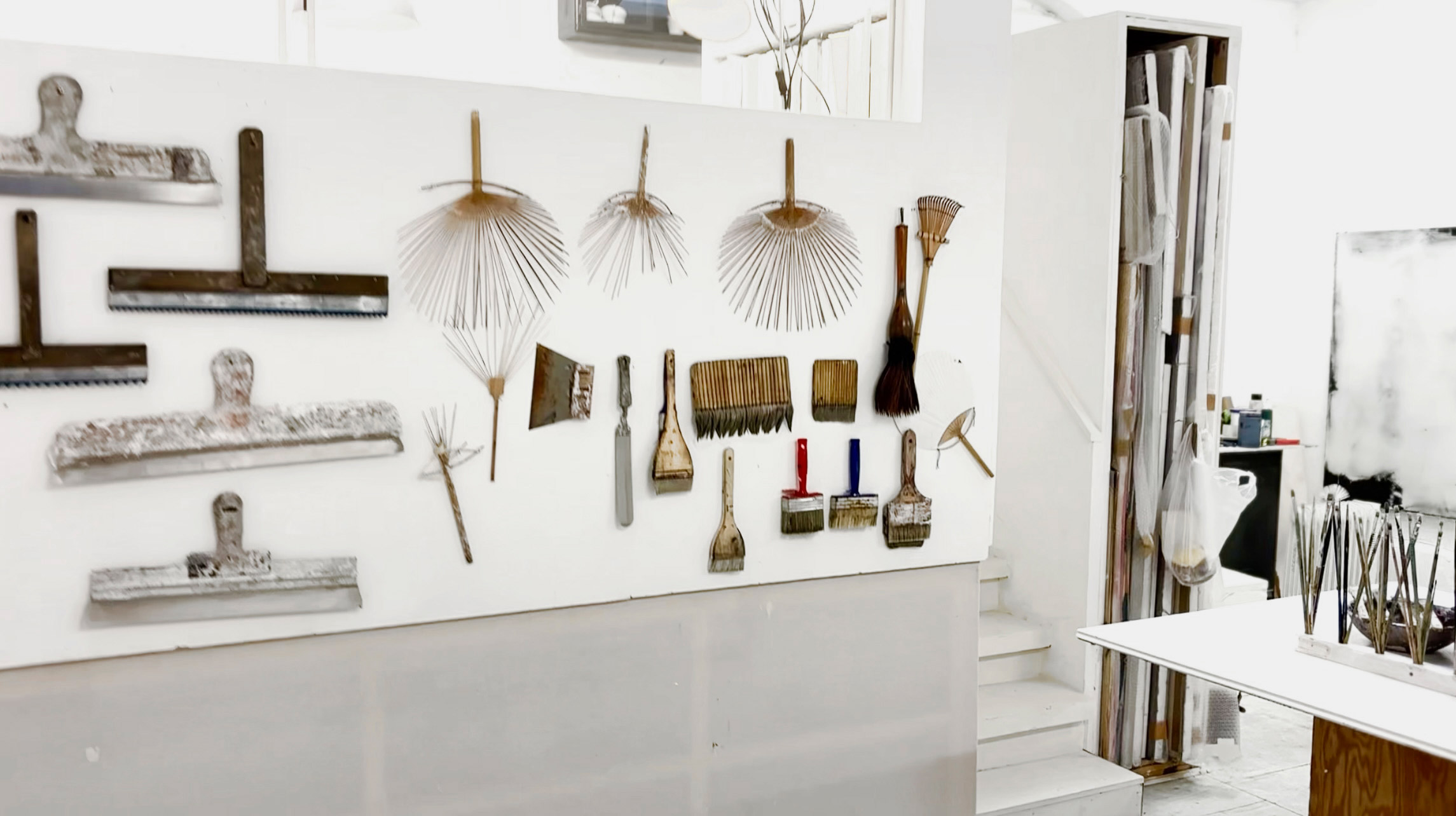
After removing all the paper from a tattered uchiwa fan, only the bamboo ribs remain. When I fan myself with these bamboo ribs, I feel a slight coolness—even when there’s no breeze. This is a conditioned reflex, similar to Pavlov’s dog. Consciousness is something that the brain controls arbitrarily. Through repeated practice, you can increase your concentration to such an extent that you almost reflexively enter a state of relaxation.
After eating, my mind is somewhat dulled by the feeling of fullness. But working consciously in this state often proves to be extremely effective. I scratch the surface of the painting very quickly with the bamboo ribs before the paint dries. I also deliberately choose a broken brush to avoid focusing too much on technique. A simple, straightforward mindset helps me concentrate and keeps me from being influenced by anything external.
This allows me to anticipate what will happen but still remain flexible.
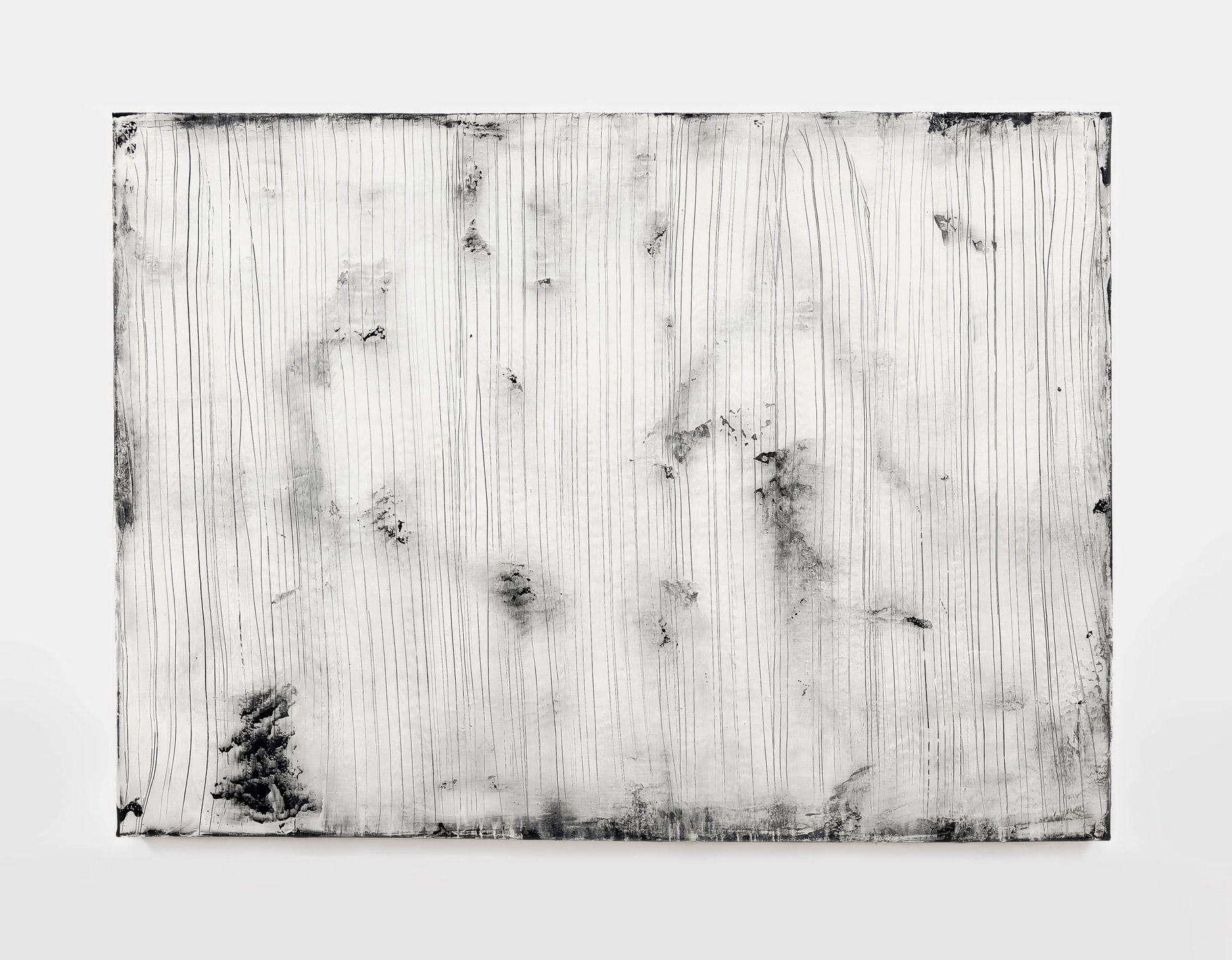
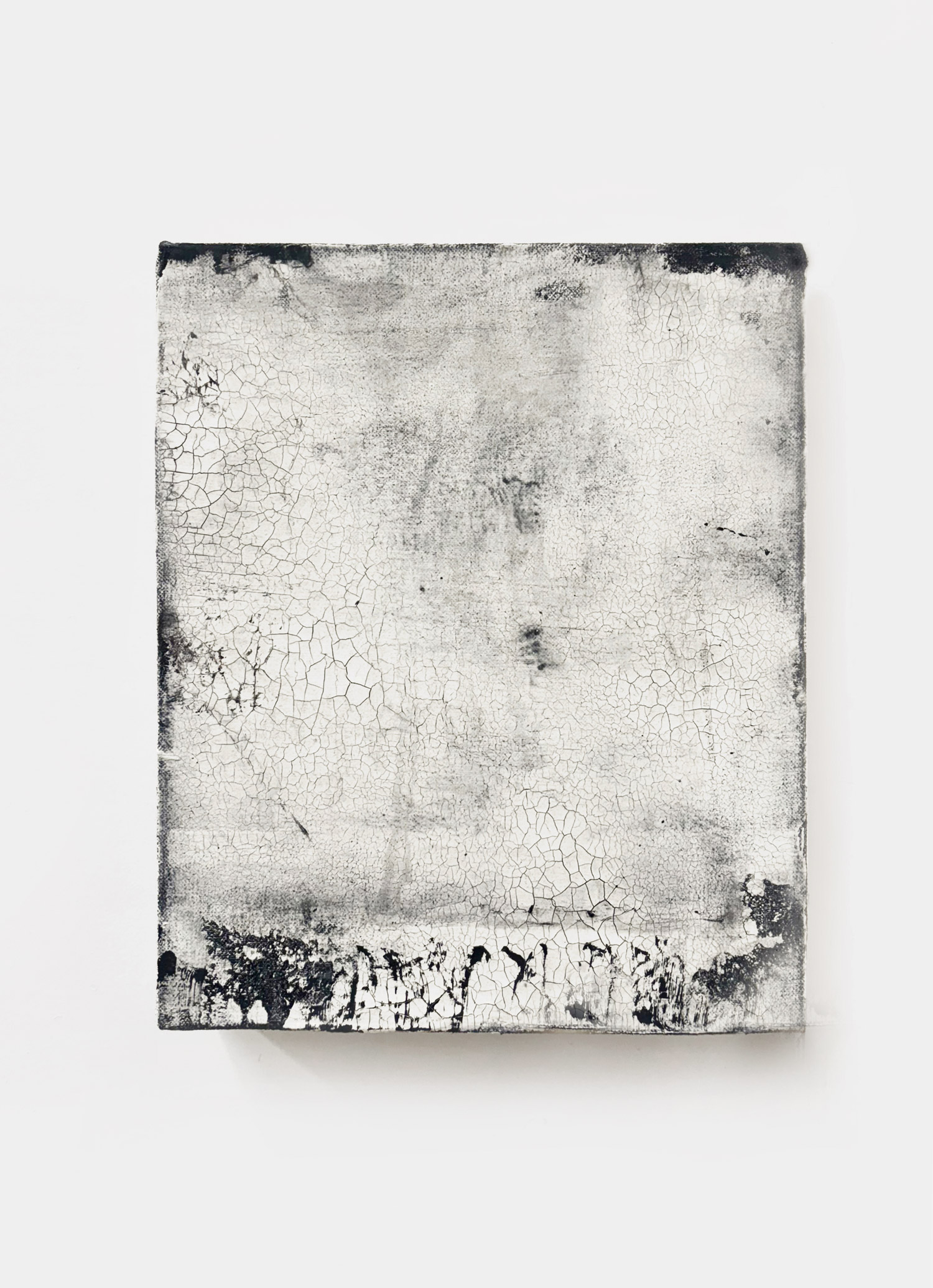
Music is a major source of inspiration for you. How does music influence your painterly decisions, and in what ways is this influence reflected in the finished work?
Just as the world of music sought new possibilities by gradually breaking with tradition, my painting too strives for originality.
Your works invite slow and attentive viewing. What does this moment of encounter between the work and the viewer mean to you?
Only when the pupil has dilated sufficiently can the true form be perceived. Photographs of the works miss this interval of time, so the sensory experience cannot be conveyed. That’s why I create with two different states of consciousness: that of the painting seen by the viewer and that of the painting observing the viewer.
I create with two different states of consciousness: that of the painting seen by the viewer and that of the painting observing the viewer.
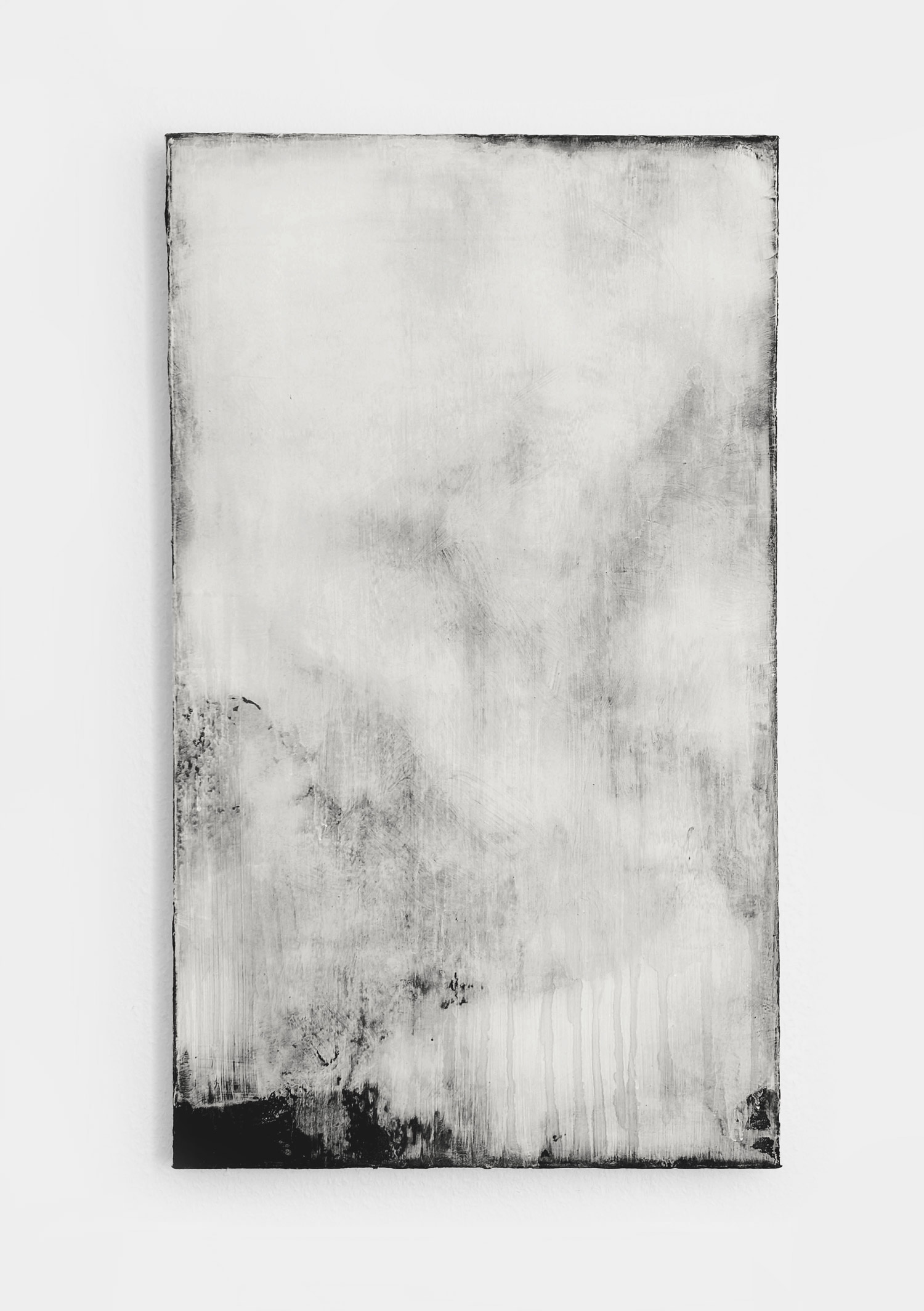
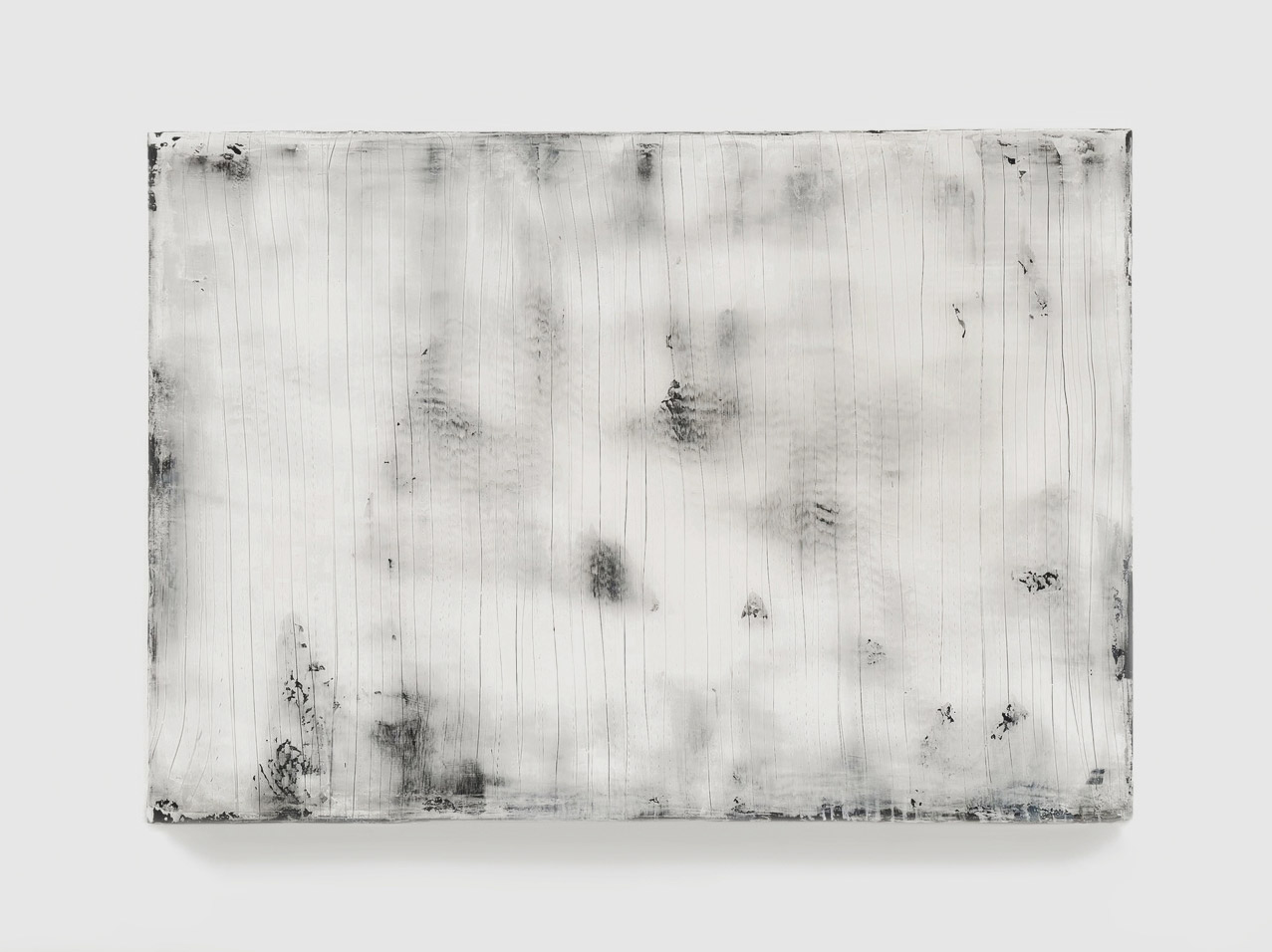
What do you feel when you look at your own paintings? And is this feeling similar across all your works?
My paintings offer a refuge for those who are tired of dominant, overly dramatic art. In the end, I believe that all works in the Yamanobe style, works characterized by a certain compassion, consistently embody this character.
And finally: Which themes would you like to continue exploring or deepening in your future work?
In my case, I often decide on a theme or title only after completing a work. This gives me the feeling that it is not I who am exploring the themes, but rather that the themes themselves are exploring my own existence.
Thank you so much!