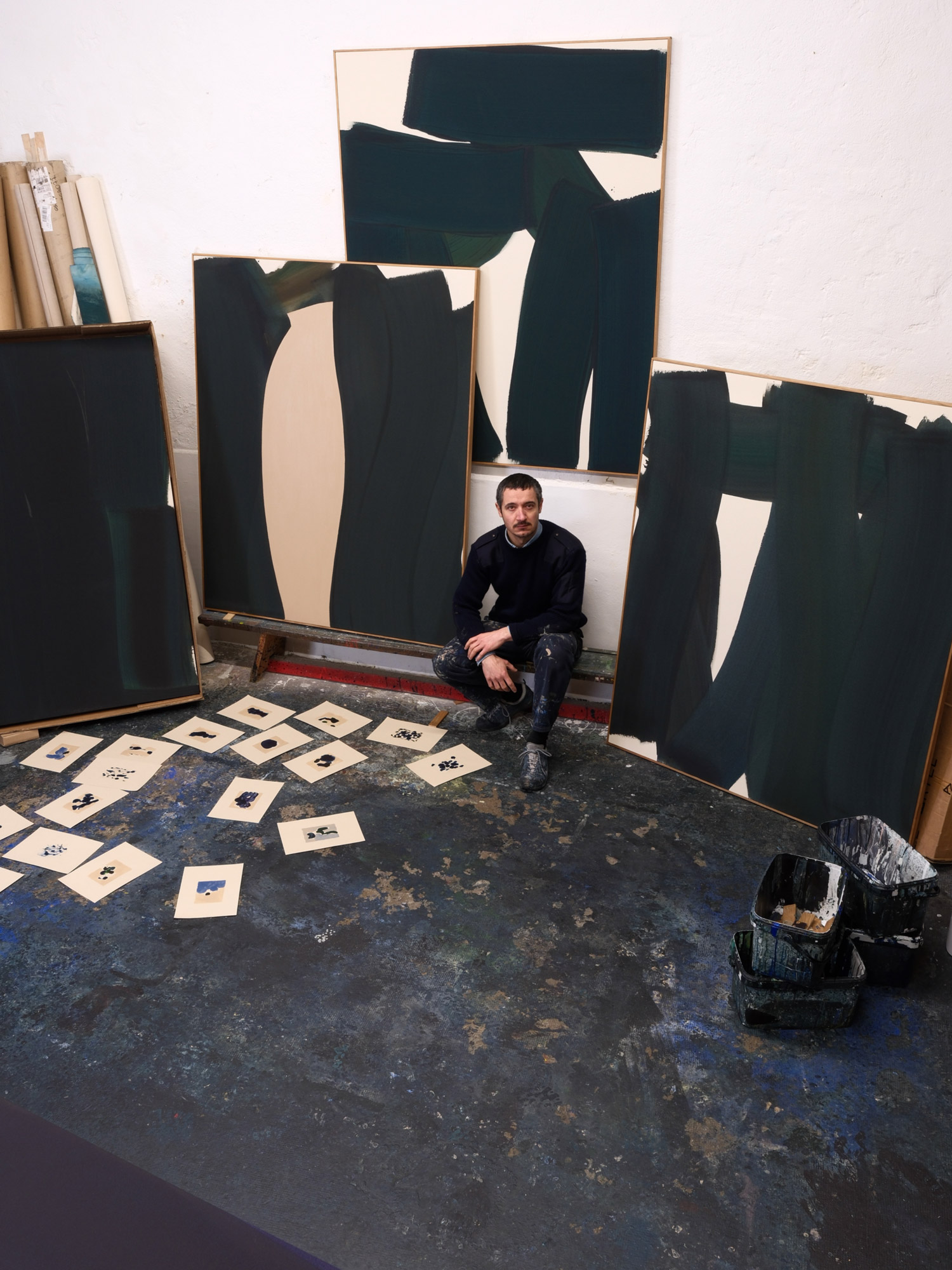
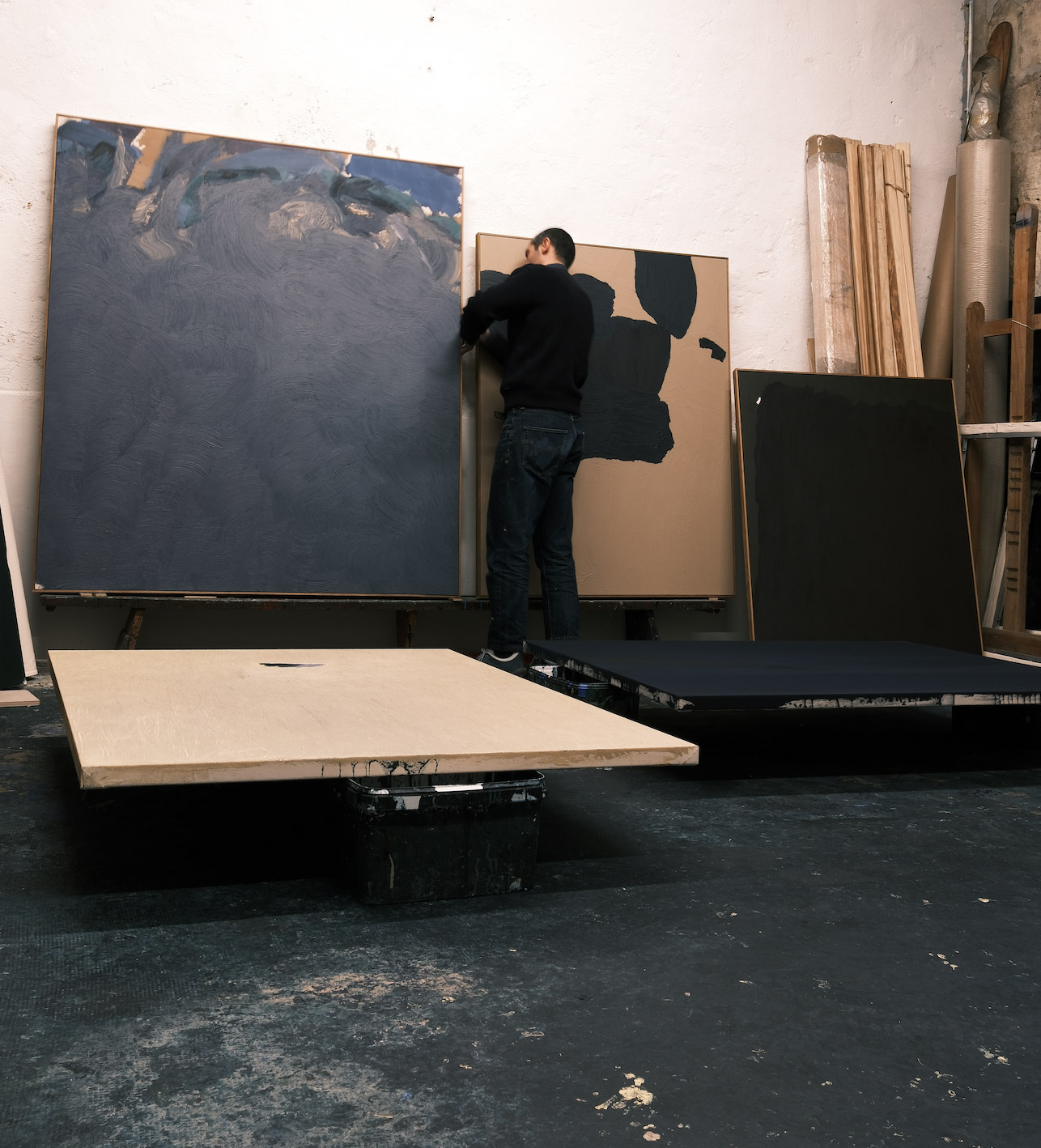
French artist Jean-Baptiste Besançon (b. 1985) approaches painting as a form of investigation. His practice is driven by an intuitive exploration of what painting can be, with each work finding its form through the act of making. He always works on several canvases simultaneously, moving back and forth between them and letting the works enter into a dialogue with one another.
For Besançon, painting is a language of its own – one that should not be over-explained but experienced directly. His works feel vibrant and dynamic, yet at the same time they carry a restrained, almost meditative intensity. Expressive forms meet light, often raw backgrounds; broad gestures, visible brushstrokes, and open fields condense into compositions that feel physically present. Together, they create an evolving body of work in which each canvas stands on its own while remaining part of a larger whole.
In our conversation, Besançon reflects on his path from design to painting, the evolution of his work, and how he navigates the tension between freedom and control in the studio. We also talk about why painting can sometimes feel like a struggle and the kind of presence he hopes his paintings can offer the viewer.
Jean-Baptiste, thank you so much for your time! You’ve been painting since you were very young, but you studied design before committing fully to painting. When did you realize that you had to devote yourself entirely to painting?
Studying design only reinforced my desire to paint. Painting takes hold of you; the process of creating something that takes shape—first as an intention, then physically—is a highly addictive sensation, both in the intensity it provides and in the necessity it engenders. There isn’t a specific moment; I’ve always been drawn to drawing and painting. The more I practiced, the more the desire grew, and the more it became a language.
You once said that your paintings have to change as your life changes. How do you see this evolution unfolding in your work over the years, and what has stayed the same?
Yes, I think so, and that’s how I feel about painting in general; at least for now, that’s how I approach it. I’ve never found much satisfaction in “series,” even though I have to admit that repetition is the best tool for learning.
What matters is doing, taking action; you have to allow yourself to step outside your own circle as soon as a door opens—whether through a tool, a format, or a color—and your initial vision takes a different path. I am currently (2026) trying to synthesize my work and go straight to what seems essential to me. Everything evolves and changes; that is the very principle of life. Why should it be any different for painting?
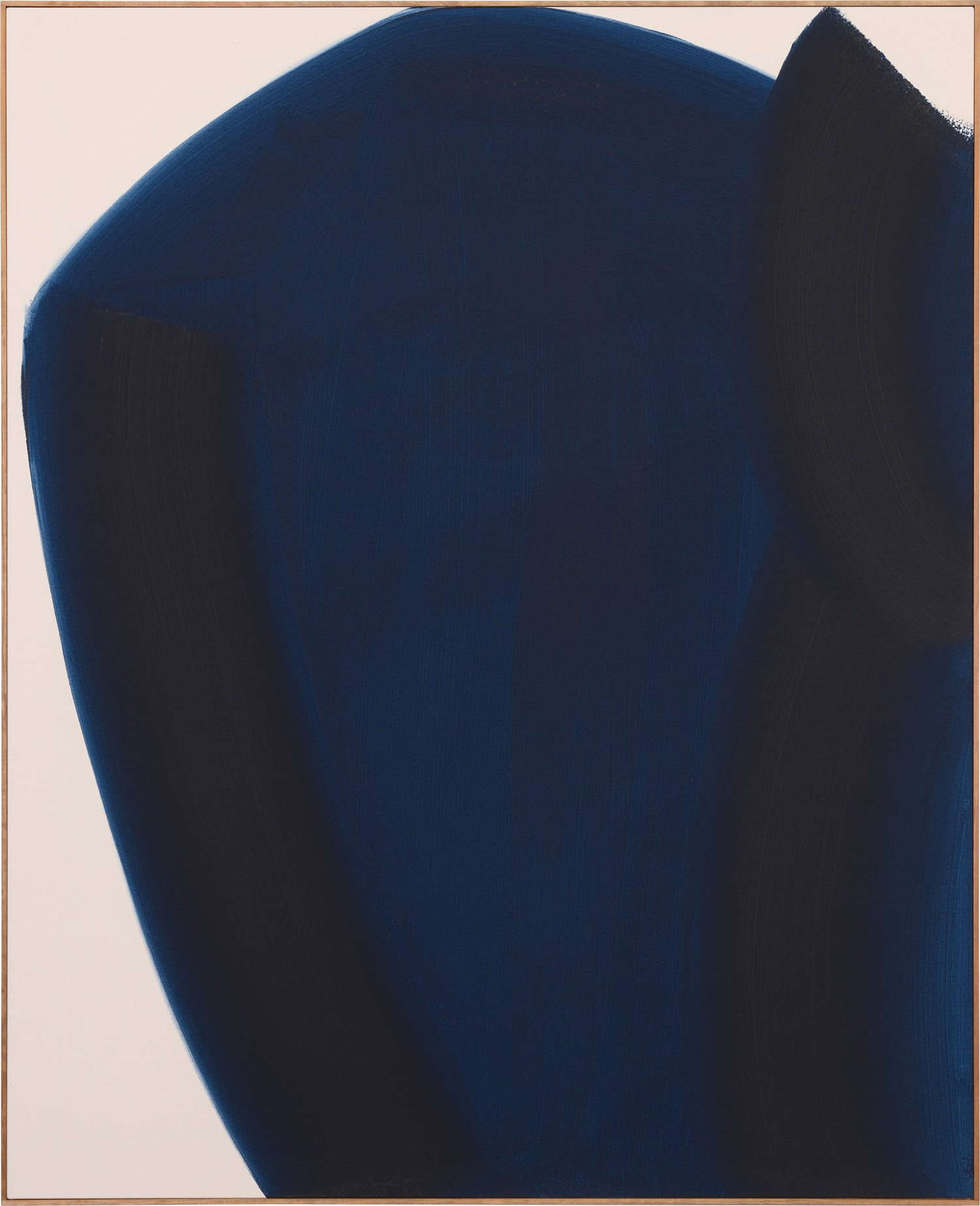
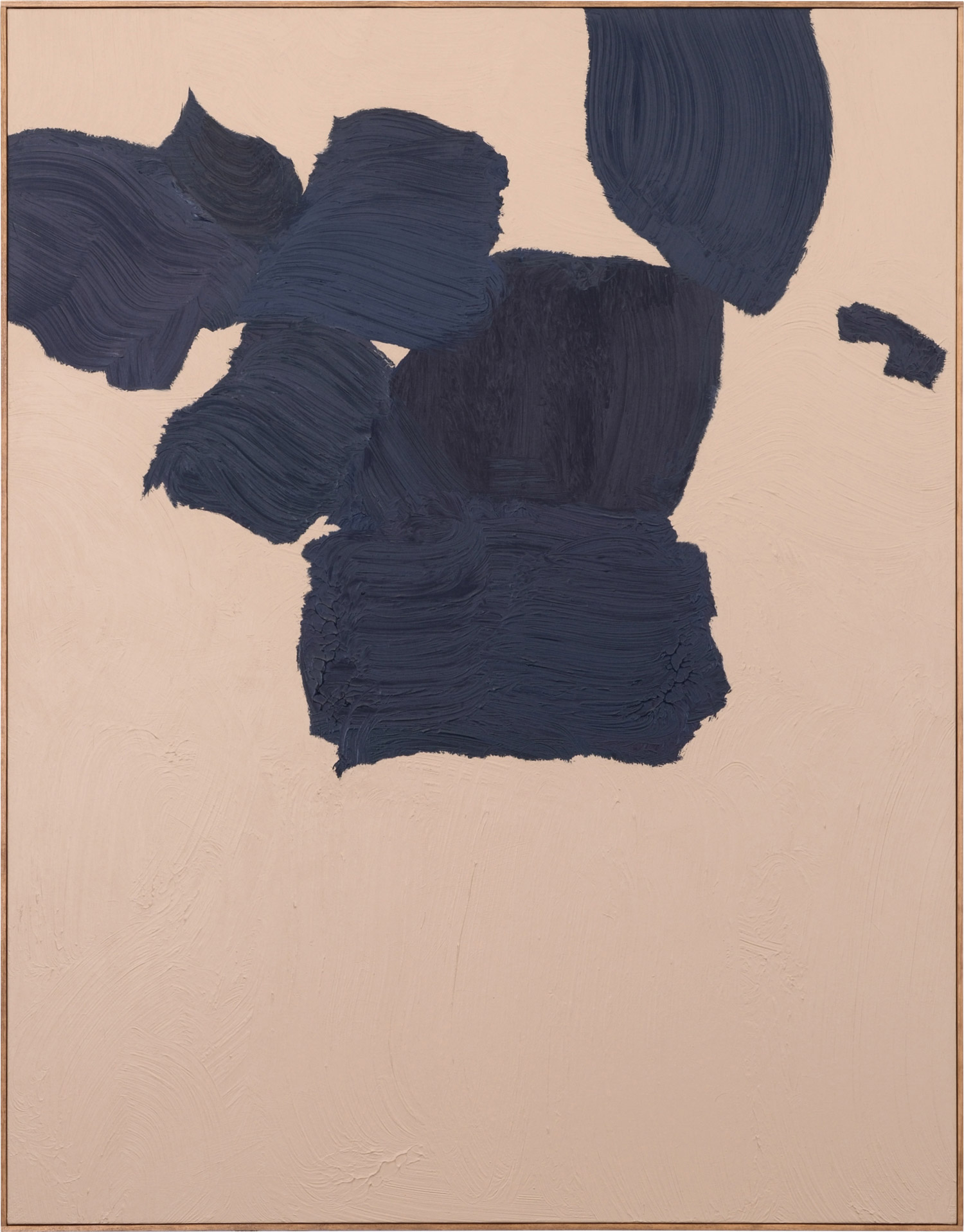
Both Soulages and Pollock are central references for you – one deeply controlled, the other radically gestural. Where do you feel your own practice sits between these two poles?
Of course, these are two major painters who, at different times, have instilled in me a sense of possibility and fulfillment through the act of painting. Large formats, naturally—like many other painters—and the freedom to work without an easel. Gestural painting can serve me well, though it can also wear me out, and large blocks of color often take precedence; or sometimes the two clash or converse with one another.
In my painting, I never really stay in the same place for a long period of time. It’s all about balance and interplay—knowing how to juggle, at times, the radicalism of a gesture and letting myself be carried away by the chance of a form.
You describe contact with the canvas as sometimes being “a fight.” Can you take us into one of those moments? What does that tension feel like, and how do you know when the “fight” is over?
Yes, of course, the word “struggle” is probably an exaggeration, but what we’re talking about here is more a matter of stubbornness. In the act of painting, there can be a sense of harmony between the painter and the painting they are creating, or it can feel like a duel, in the sense that the painting refuses to come together and resists. And that is precisely where I insist on continuing the canvas; I seek the limit.
Sometimes I erase it completely with a solid color or wash it all away and try again, but it must be completed in a single sitting, without having to touch it up later. I have always started my canvases this way, without a sketch, like a giant palette where things take shape in the same space-time. It is important to persist because obstinacy often leads to the unexpected, or serendipity opens paths to a new composition or color combination. In painting, I let myself be carried by the impulse and draw conclusions later.
I exhaust myself trying to tame chance, I allow myself to fail and sometimes there are failures—paintings lacking presence—and sometimes it’s obvious, and the painting comes together effortlessly, but there’s always something to be gained from the experience. It’s like boarding a boat without knowing where we’re going or what or whom we’ll encounter.
In the act of painting, there can be a sense of harmony between the painter and the painting they are creating, or it can feel like a duel, in the sense that the painting refuses to come together and resists.
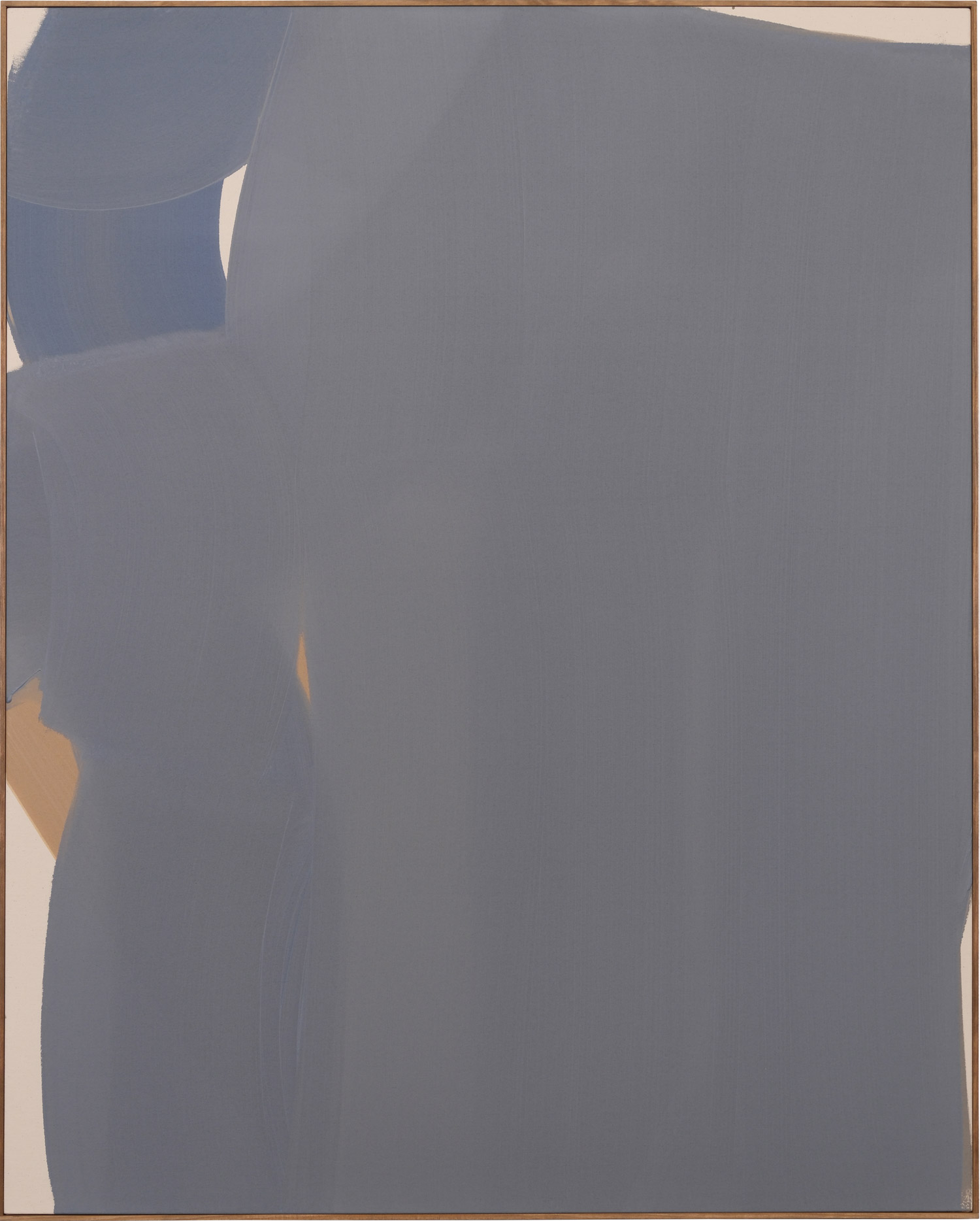
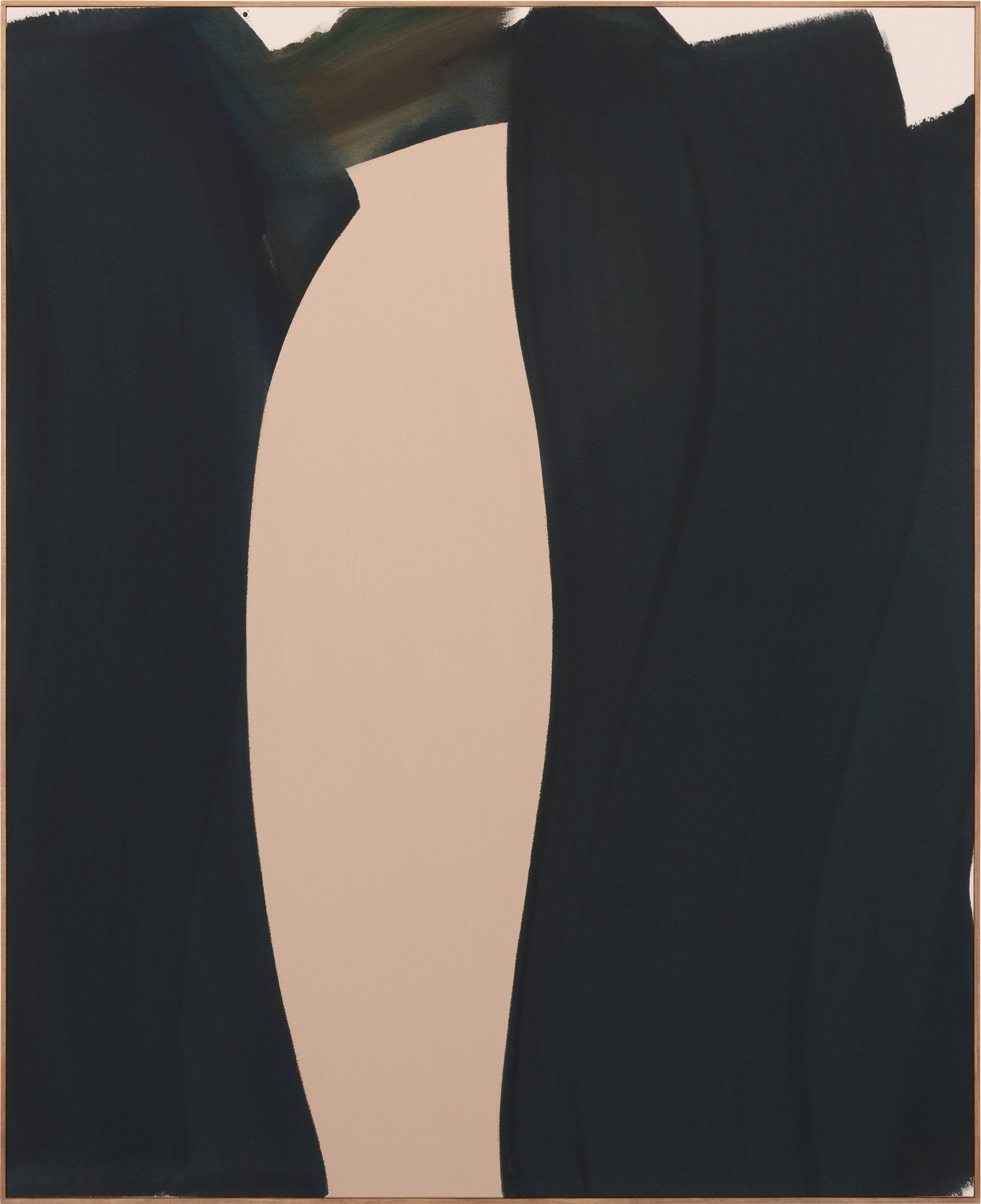
You typically work on several canvases at once, moving back and forth between them. What happens between the paintings during that process?
This allows me to establish a dialogue between the canvases to create a cohesive body of work. I also view my work as a whole rather than as individual canvases. This is also how I compose multi-panel paintings, since everything has to be created at the same time.
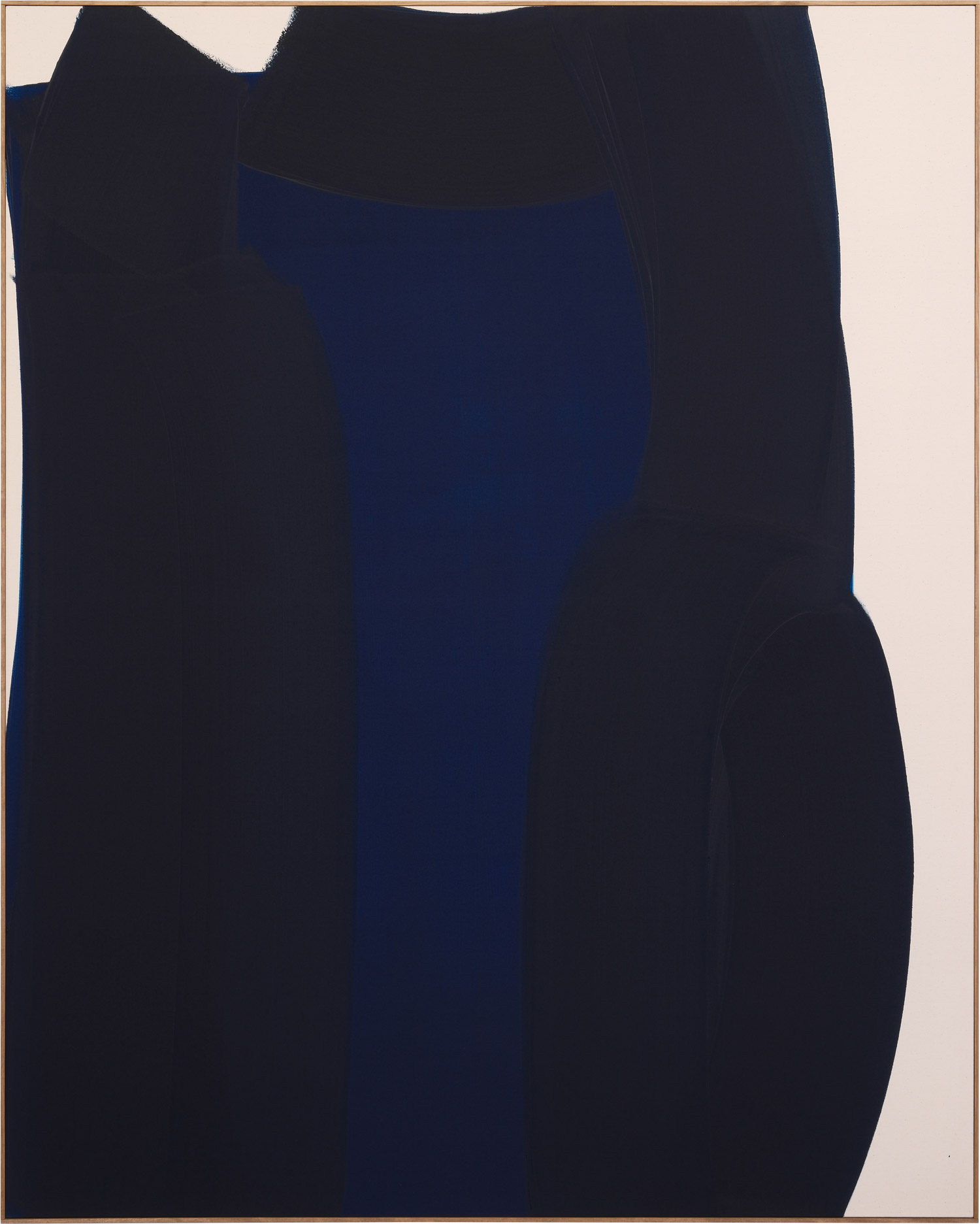
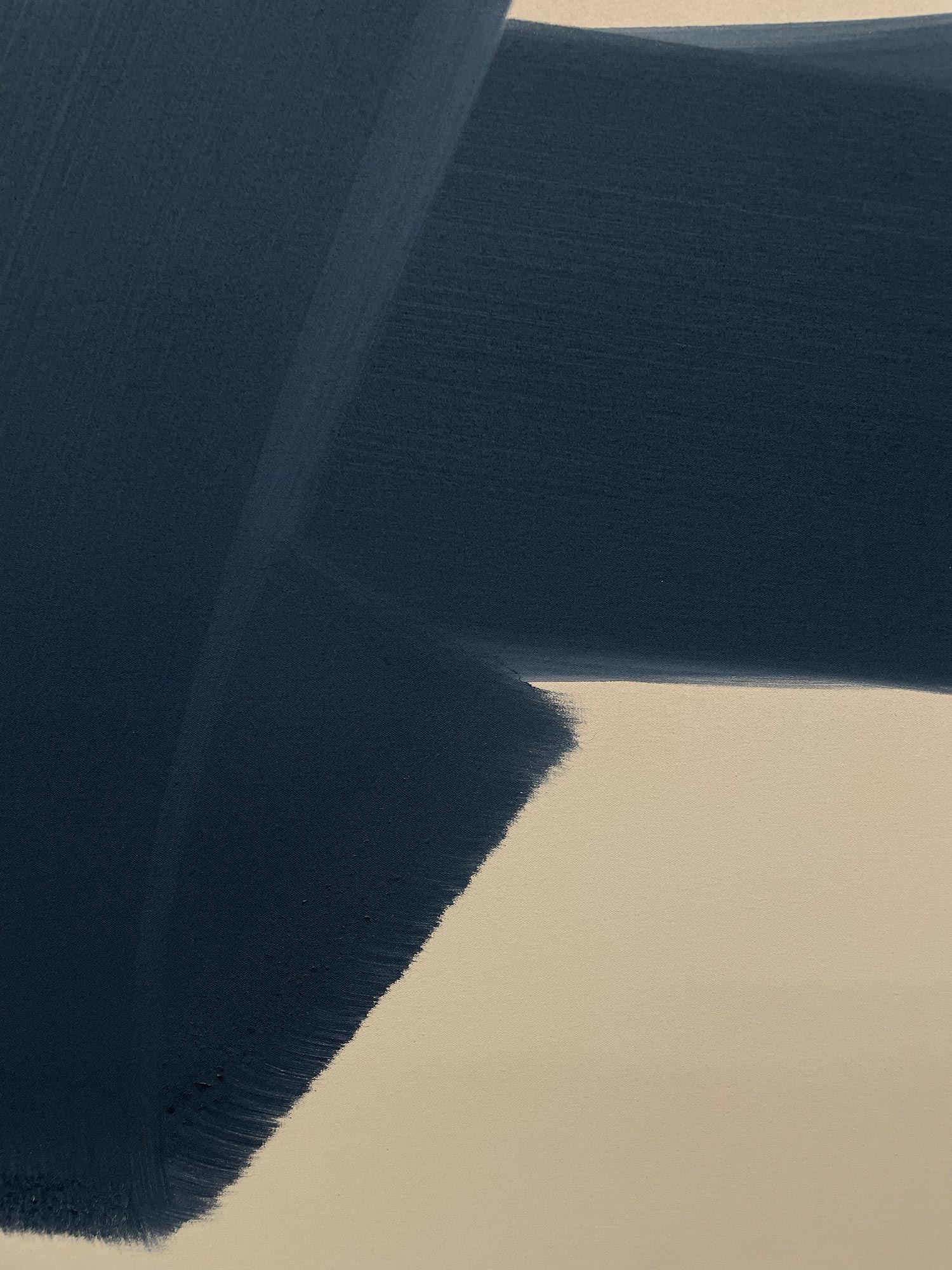
Your paintings create a quiet, meditative space, where gesture and color invite a very personal kind of reflection. What do you hope people will discover within themselves when they encounter your art?
For me to consider a painting successful, it must possess, once completed, a certain energy, a presence—an obvious presence that needs no justification. If that presence is there, it often gives rise to a range of emotions, which I leave to the viewer to interpret as they see fit.
Do you see your work as minimalist – or is that a label that feels too narrow?
Let’s just say I’m drawn to the aesthetics of lyrical abstraction and abstract expressionism, but the further I go in my painting, the more I simplify. There are certain elements I leave out in order to get more directly to the essentials. Perhaps I also feel less of a need to please or to seek out the spectacular. Since painting is a great, never-ending adventure, I find it useful to be able to exercise every possible freedom, including the freedom not to necessarily do what is expected of you.
We must not limit ourselves to the labels people pin on us as artists and must break free from the boxes some would like to put us in. There are no standards, aside from technique, and the rules we impose on ourselves; for me, discipline lies in being in the studio every day.
We must not limit ourselves to the labels people pin on us as artists and must break free from the boxes some would like to put us in.
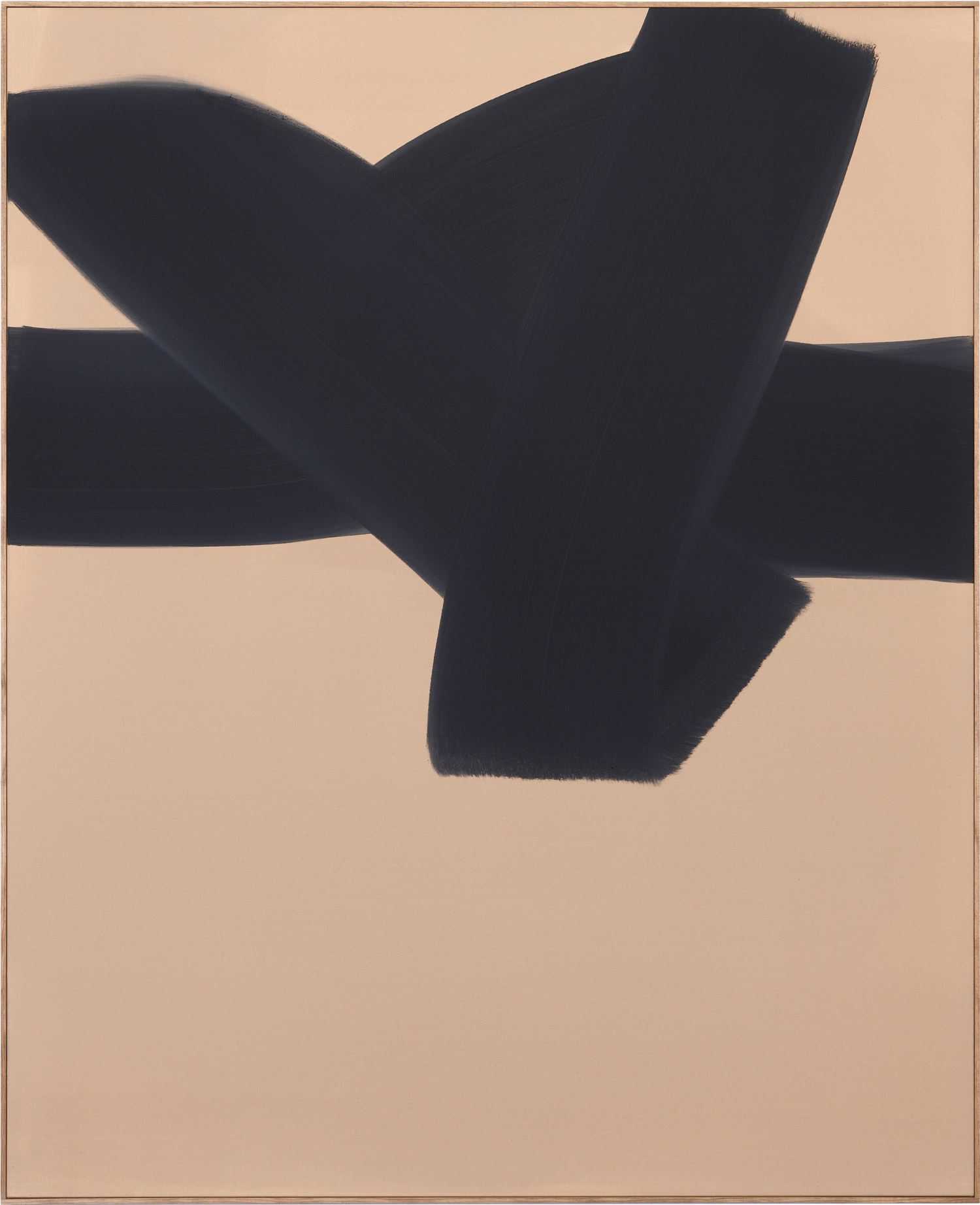
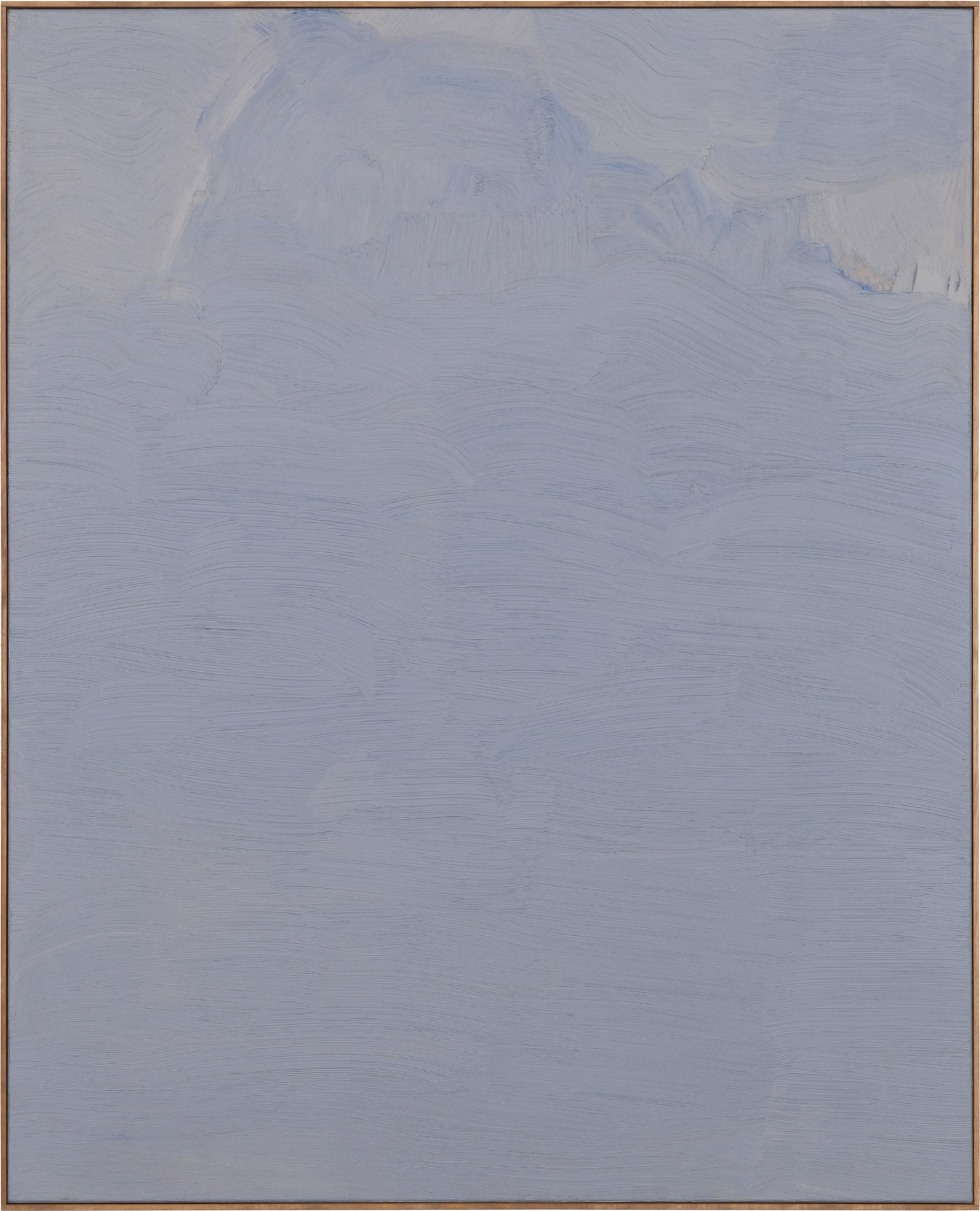
What are you currently working on, and what are your plans for the future? Are there any techniques, materials or colors that you would like to explore further?
Currently, I am continuing on my artistic journey as I mentioned earlier, focusing more on large-scale works, which feel more natural to me given my current painting style. I’m exploring forms and masses a bit more deeply, working with them in layers or using transparency. I have an exhibition planned in Los Angeles this winter and several other collaborations in the works.